SAFETY CAN NEVER BE A COMPROMISE
Life-saving protection for vehicles and enclosed spaces with Fogmaker fire suppression systems.

A CLOSER LOOK AT FOGMAKER
Click on the points to explore more
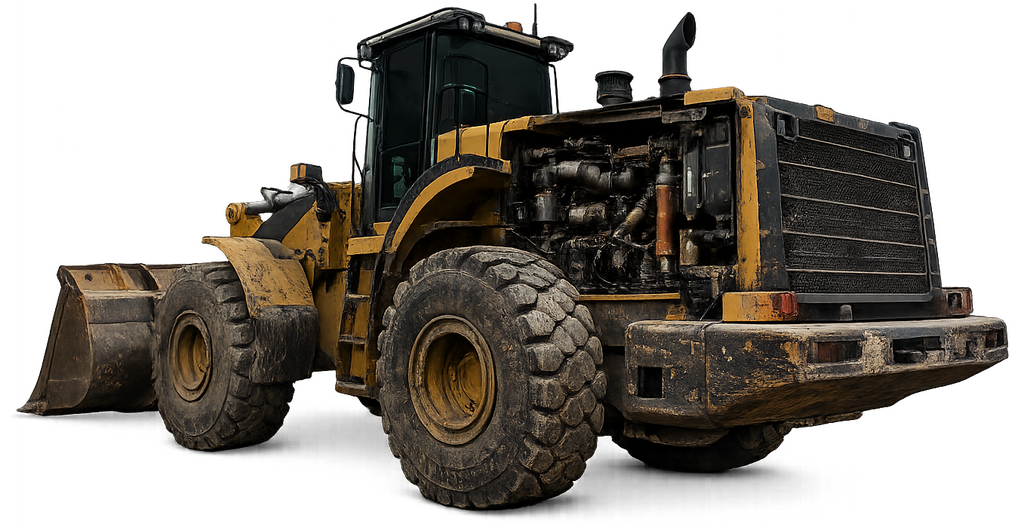
1.
ELECTRICAL SYSTEMS
SMALL FAULT, MAJOR CONSEQUENCES
Electrical faults can generate heat and sparks capable of igniting nearby materials.
Ignition Source:
- Damaged wiring
- Short circuits
- Loose electrical connections
Risk:
- Hidden ignition source
- Fire developing unnoticed inside engine bay
Did You Know?
Electrical installations are among the critical systems found in tightly packed engine compartments.
HOW FOGMAKER RESPONDS
Fogmaker activates automatically when elevated temperatures are detected.
The suppression system operates independently of the machine's electrical supply, helping ensure fire protection remains available even during electrical failures.
2.
TURBOCHARGER & EXHAUST SYSTEM
HIDDEN TEMPERATURES
Modern engines generate significant heat. Exhaust components and turbochargers can ignite leaked hydraulic oil, fuel or accumulated debris.
Ignition Source:
- Hot exhaust surfaces
- Turbocharger heat
- Oil contamination
Risk:
- Rapid engine bay fire
- Fire spread through surrounding components
HOW FOGMAKER RESPONDS TO TURBOCHARGER & EXHAUST SYSTEM FIRE
If a fire develops around the turbocharger or exhaust system, Fogmaker's detection tubing ruptures at the highest heat source, automatically activating the suppression system.
High-pressure water mist rapidly cools hot surfaces, suppresses flames and helps prevent fire spread throughout the engine compartment.
3.
HYDRAULIC LINES
HIGH PRESSURE, HIGH RISK
Construction machinery contains large volumes of hydraulic oil under pressure. A damaged hose can spray atomised oil onto hot surfaces.
Ignition Source:
- Hydraulic hose failure
- Oil leaks contacting hot components
Risk:
- Flash fire
- Fast fire propagation through engine compartment
Did You Know?
Large quantities of hydraulic oil are one of the primary fire risks on construction equipment.
HOW FOGMAKER RESPONDS
Fogmaker discharges microscopic water droplets into the engine compartment, cooling the fire zone and reducing oxygen availability around the flames.
This helps suppress burning hydraulic oil before it can spread through the machine.
4.
DEBRIS BUILD-UP
FUEL FOR THE FIRE
Dust, grease, wood chips, paper, insulation and other combustible materials can accumulate around engines and exhaust systems.
Ignition Source:
- Contact with hot components
Risk:
- Fire starts externally before spreading throughout the machine
HOW FOGMAKER RESPONDS
Fogmaker's water mist penetrates complex engine spaces and helps cool surrounding components while suppressing flames.
This assists in controlling fires before they spread to other machine systems.
5.
FUEL SYSTEM
FUEL UNDER PRESSURE
Modern engines use higher fuel pressures than previous generations. A leak can create a combustible mist capable of igniting instantly.
Ignition Source:
- Fuel line damage
- Fuel injector leaks
- Pressurised fuel spray
Risk:
- Intense fire development
- Major machine damage
Did You Know?
Higher fuel pressures are one reason construction equipment fire risks have increased over time.
HOW FOGMAKER RESPONDS
Once activated, Fogmaker suppression system releases water mist throughout the protected area.
The mist absorbs heat energy, cools burning surfaces and suppresses flames, helping to minimise damage and protect valuable machinery.
6.
BATTERY SYSTEMS
STORED ENERGY, HIDDEN RISK
Battery systems contain significant stored electrical energy. Damaged cables, poor connections, overheating components or battery failures can generate heat, sparks or thermal events capable of igniting surrounding materials.
Ignition Source:
- Short circuits
- Damaged battery cables
- Loose terminals
- Battery overheating
- Thermal runaway (lithium-ion systems)
Risk:
- Electrical fire
- Rapid heat generation
- Difficult-to-access fire location
HOW FOGMAKER RESPONDS
Fogmaker helps suppress fires that originate within protected battery and electrical compartments by rapidly reducing temperatures and controlling flame development.
The system provides automatic protection without requiring operator intervention, helping safeguard both conventional and increasingly electrified construction equipment.
HOW THE SYSTEM WORKS
The piston accumulator is the heart of the system. Internally, it is divided into two parts: one that holds the 100% PFAS-Free suppressant, Eco 1, and one that holds nitrogen gas under pressure.
The piston accumulator is connected to a piping system and a detector hose filled with liquid, which are installed in the protected area - for instance an engine room.
The detector hose is also connected to a detector bottle that helps keep a constant pressure in the hose. When there’s a fire, the detector hose bursts and the liquid escapes, lowering the pressure in the system. This opens a pressure switch on the piston accumulator, allowing the nitrogen gas to expand and push the suppressant into the piping system.
The suppressant is distributed through specially designed nozzles that, combined with the high pressure, divides each water drop into tiny droplets. Together, they have a much larger surface area than just one water drop, and can assimilate heat efficiently. As this happens, the mist expands, pushes oxygen out of the compartment, and chokes the fire. Then, the system keeps spraying to cool the area, which prevents flare-ups.
The system can be used both in traditional combustion engines and in battery-electric solutions.
ABOUT FOGMAKER
Since 1995, Fogmaker International AB has manufactured dependable fire suppression systems with high-pressure water-based mist for vehicles and enclosed spaces. The system is independent of electricity, automatic, and always active. Fogmaker strives to be close to the customers, and achieves this through four subsidiaries and a partner network that spans 70 countries.

