
Feature
Electrifying
for the future
As the shift to electrification continues, OEMs and rental firms are responding accordingly – by increasing their product offerings and preparing for the future. Chris Lewis reports.
Main video supplied by mrcmrc/Creatas Video via Getty Images
Powered by

Lower emissions. Less noise. More equipment options. Regardless of what contractors are seeking, electric construction equipment provides them with myriad positives. And, as a result, original equipment manufacturers (OEMs) are responding to a recent shift. This strategic shift, largely focused on electrification, has emerged as a key priority for many manufacturers across the globe.
Recently, OEMs have been dedicated to diminishing emissions at construction sites. In particular, they’ve focused particularly on urban sites and indoor areas that require lower emissions and noise.
However, another shift is arising. Aside from committing themselves to emission and noise reduction, OEMs and contractors are pursuing a broader audience – a customer base comprised of contractors that work on all types of job sites.
As the move to more electric construction equipment continues, OEMs and rental firms are reacting by thinking outside the box. Above all else, they’re restructuring their electrification strategies for the future. In addition, they’re preparing for fleets that are more practical and mainstream, resulting in even higher potential demand down the road.
One size doesn’t fit all
While looking ahead to the remainder of 2026 (and beyond), Volvo Construction Equipment (CE) is structuring its electrification strategy. According to Mats Bredborg, segment leader for Volvo CE, its strategy has two tiers: a multi-technology approach and an application-led approach.
This two-tiered approach is due to the concept that “one size doesn’t fit all”, especially across Volvo CE’s customers’ particular regions and infrastructure maturity. The bottom line? According to Bredborg, battery-electric equipment remains a core pillar today, just as much as it’s ever been. Thus, the OEM is scaling its equipment offerings considerably.
“Where zero-emission options aren’t yet practical, efficient combustion engines – running on renewable fuels and hybrids – help customers reduce emissions while the transition progresses.”
Mats Bredborg, segment leader for Volvo CE
In the recent past, it provided compact machines. But presently, the OEM is beginning to create larger excavators, wheel loaders and articulated haulers just as much as it’s developing compact equipment. The primary reasons? Volvo CE’s equipment has enhanced battery performance, while providing less noise and vibration than past models, too. Moreover, its offerings are delivering zero tailpipe emissions, which is vital in this era.
“In parallel, Volvo CE is advancing grid-connected electric solutions for high-intensity, repetitive work where continuous uptime is critical,” Bredborg says. “Where zero-emission options aren’t yet practical, efficient combustion engines – running on renewable fuels and hybrids – help customers reduce emissions while the transition progresses.”
In Europe, Volvo CE has showcased its commitment to electrification during this transition period, via a range of electric models so far. Of these 11 models, three are compact excavators that range in size from 1.8 to 2.5 metric tonnes (t) (the EC18, ECR18 and ECR25 Electric). Two are compact wheel loaders, offered in 4.5t and 5.1t classes (the L20 and L25 Electric), while another two are midsize wheel loaders (the 15t L90 Electric and the 20t L120 Electric).
Additionally, the OEM provides midsize excavators, in the 23t class (the EC230 Electric) and a short-radius wheeled excavator, known as the EWR150 Electric. Not to mention, it also has a grid-connected material handling machine, the EW240 MH. And, finally, it is among the first OEMs to introduce electric articulated haulers in the 29t to 39t class.
“The 29-metric tonne A30 Electric and 39-metric tonne A40 Electric models offer the same power and performance as their diesel counterparts – with zero exhaust emissions and reduced noise levels,” Bredborg says. “They’ll help customers make the shift to zero-emission operations.”
Electricity + hydrogen = efficiency
On the other hand, JCB has manufactured a range of electric machinery too, known as E-Tech. Offering a wide assortment of options, the series features access platforms, compact telescopic handlers, compact wheel loading shovels, dumpers, industrial forklifts and mini excavators. Its machines’ sizes vary considerably as well, all the way up to 3.5t.
“Customers have fed back that there is a sense of normality with the hydrogen engines. They really couldn’t tell the difference from the diesel alternative when operating the machines.”
Tom Beamish, advanced projects deployment manager at JCB
“These electric solutions are purpose‑built for urban construction, indoor operations and all environments where clean, quiet operation is essential,” says Tom Beamish, advanced projects deployment manager at JCB.
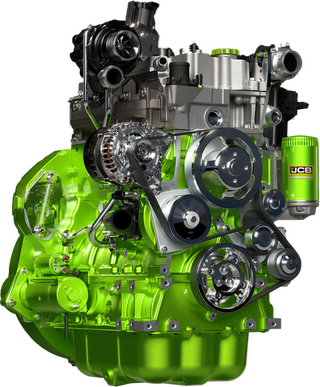
Along with these purpose-built electric solutions, JCB provides another alternative for the construction industry – a hydrogen internal combustion engine. This engine is especially beneficial for contractors who operate mid-range and larger machines for full shifts, often leading to high energy usage.
Producing no carbon dioxide at the point
of use, the engine can be viewed as an alternative to the various diesel engines that JCB has used in the past. After all, it is designed to offer comparable efficiency, performance and power to a diesel engine, while also ensuring contractors lower their environmental footprints.
“A team of 150 engineers has been working on the £100m hydrogen engine project for nearly five years,” Beamish stresses. “More than 150 engines have now been produced down JCB’s engine assembly line – both for testing and machine validation.”
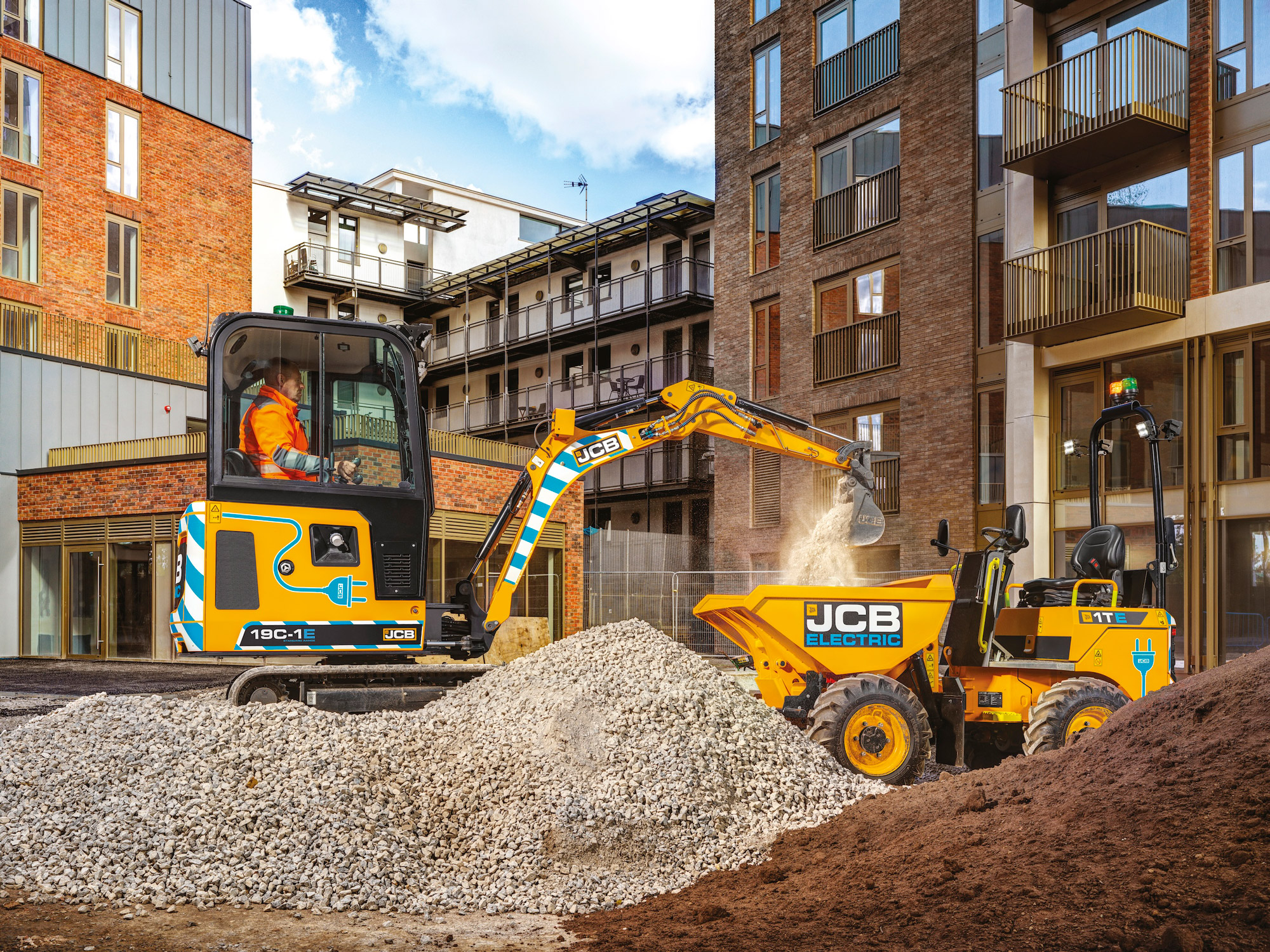
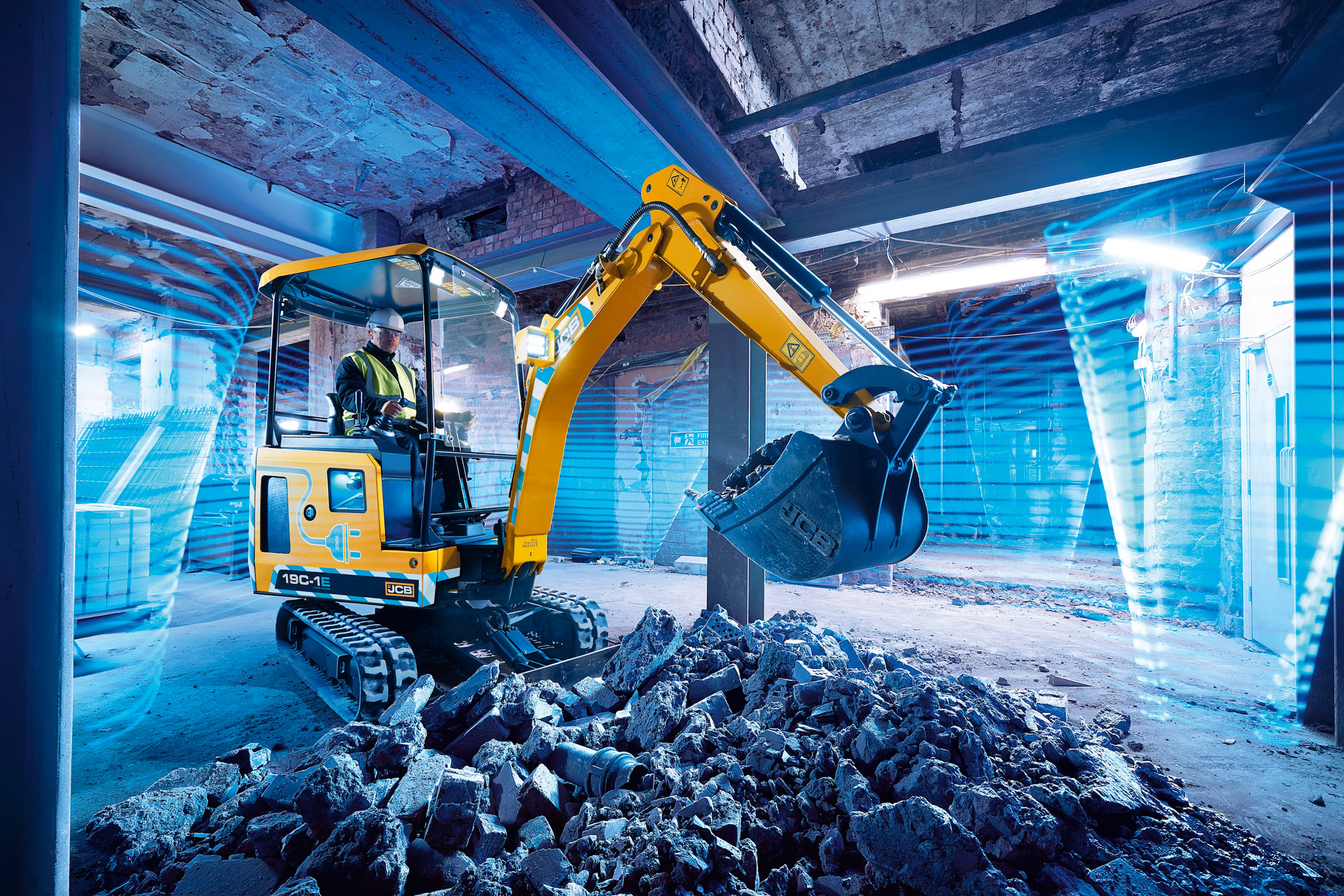
JCB has manufactured a range of electric machinery under its E-Tech banner. Credit: JCB

Currently, many of these units are being used in real-world scenarios. Due to users’ responses so far, it appears JCB has created a duo (of electrification and hydrogen) that will positively impact the environment and job sites’ efficiency long term.
“Those engines [have been] evaluated in on-site situations by plant hire companies with very positive results,” Beamish adds. “Customers have fed back that there is a sense of normality with the hydrogen engines. They really couldn’t tell the difference from the diesel alternative when operating the machines.”
Electrification’s impact on rental firms
Without question, the evolution of electrification offerings is not only influencing OEMs, construction managers and contractors. They’re impacting large equipment rental firms like Sunbelt Rentals, too.
However, the influence is being noticed in an entirely different way. When it comes to rental firms, electrification isn’t necessarily focused on a transition from diesel fuel to batteries. Instead, firms are noticing the expansion in solutions more. According to Brad Coverdale, vice-president, fleet and procurement, at Sunbelt Rentals, rental firms are striving to help their customers meet all their emissions, noise and site-access requirements as more and more electric equipment is released – without having to change how they conduct business.
“From our perspective, electrification strengthens the rental model in the long term,” Coverdale says. “Customers can access new technology, validate performance on real job sites and adapt as projects evolve.”
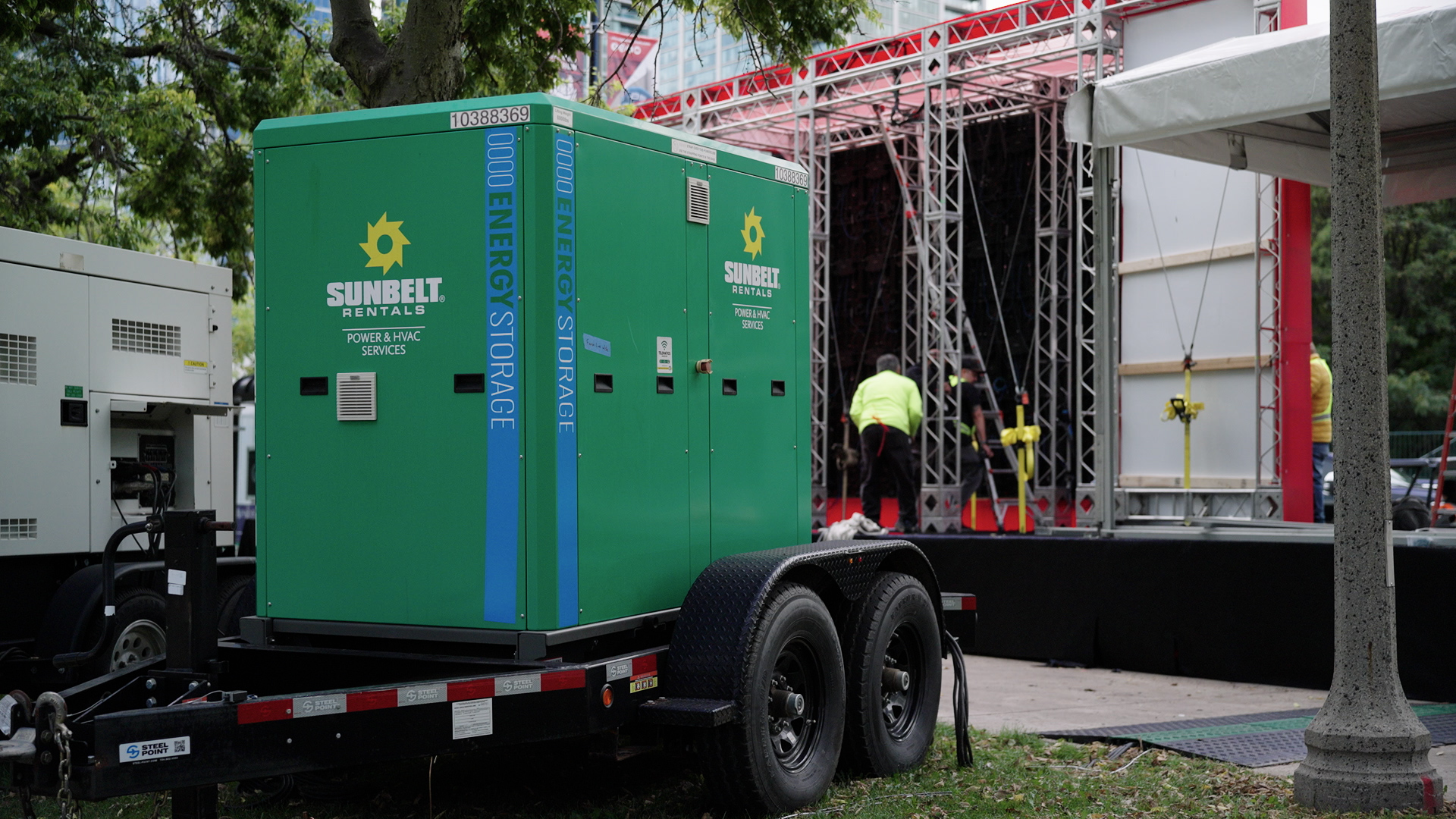
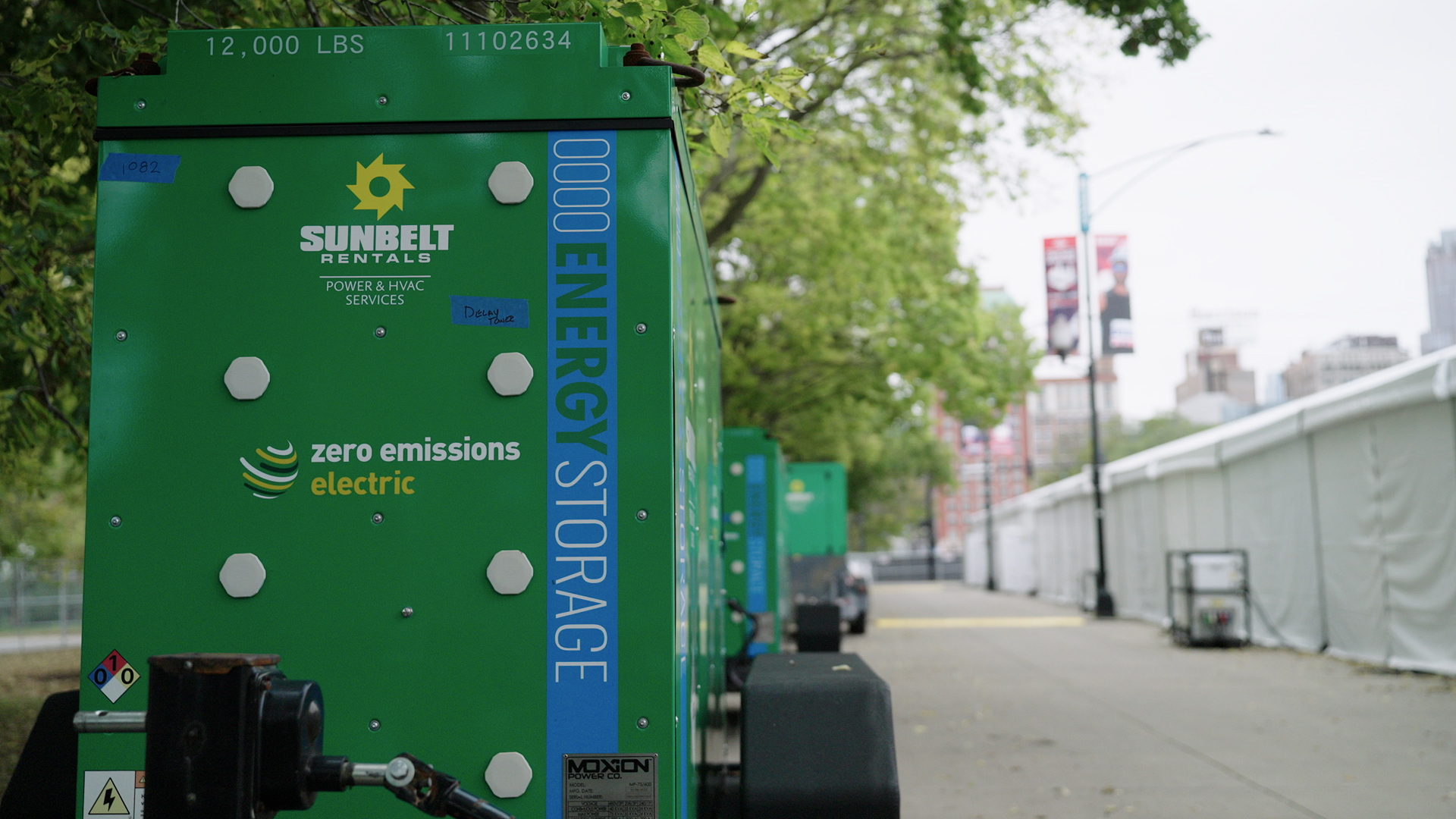
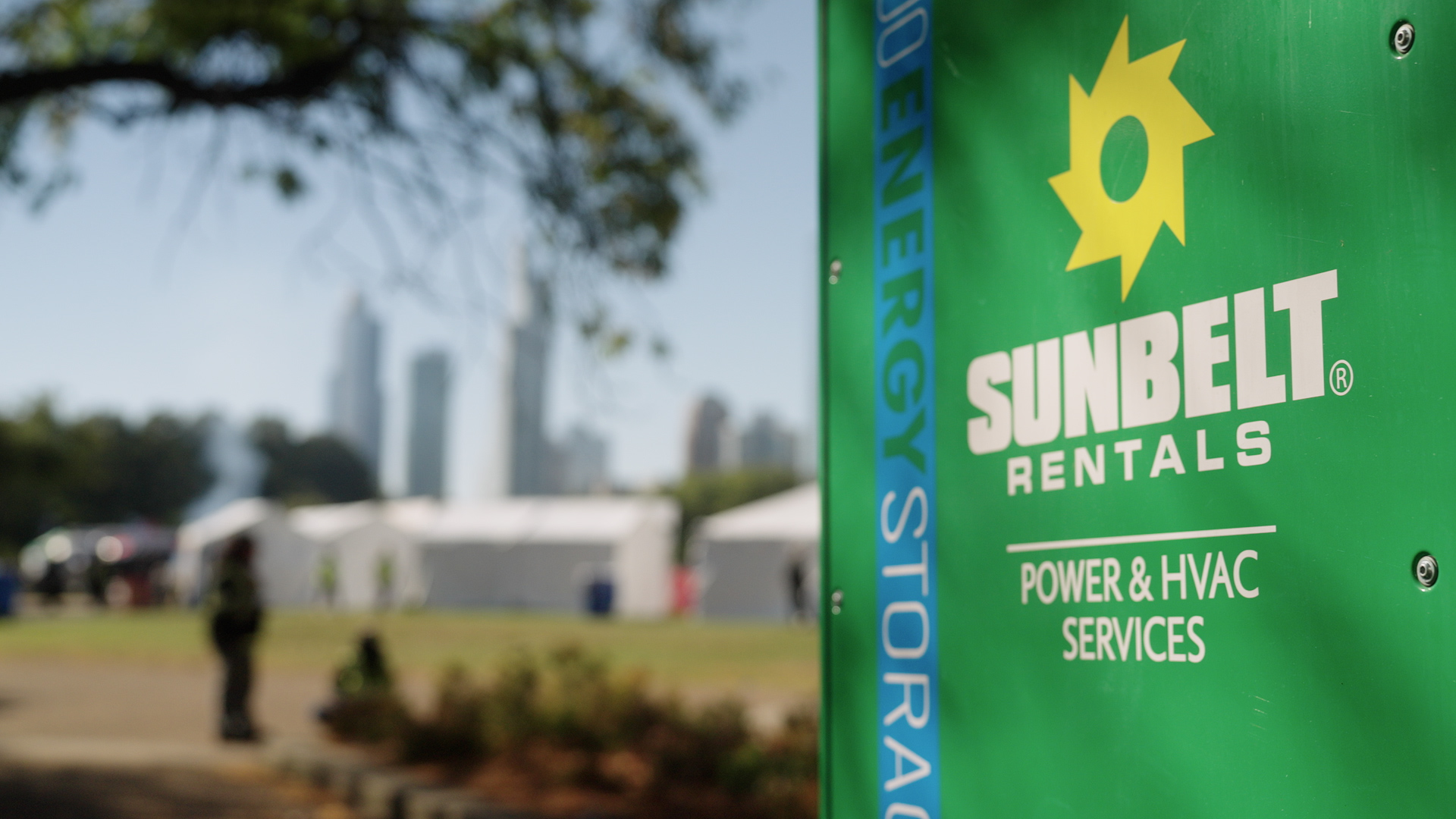
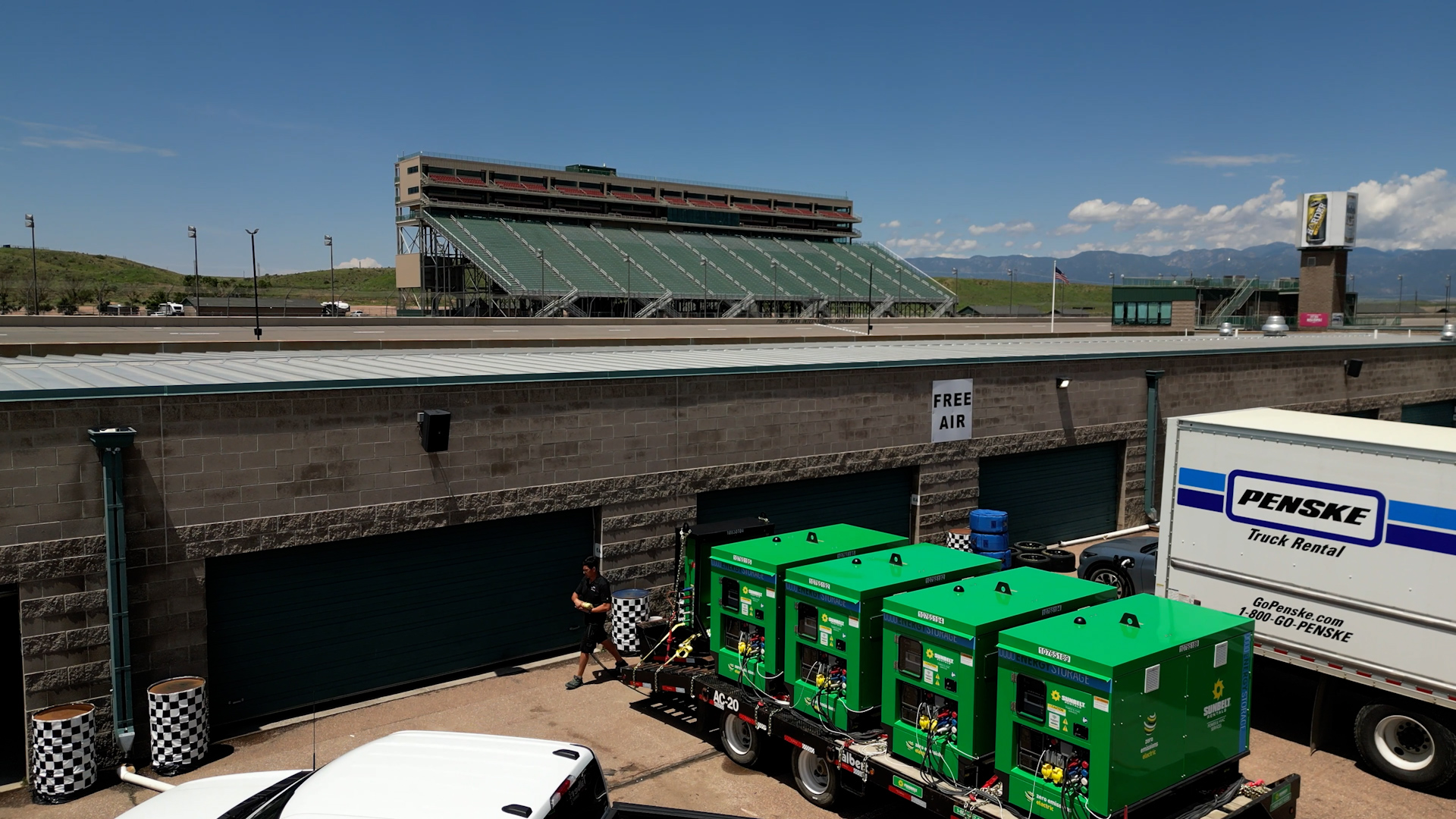
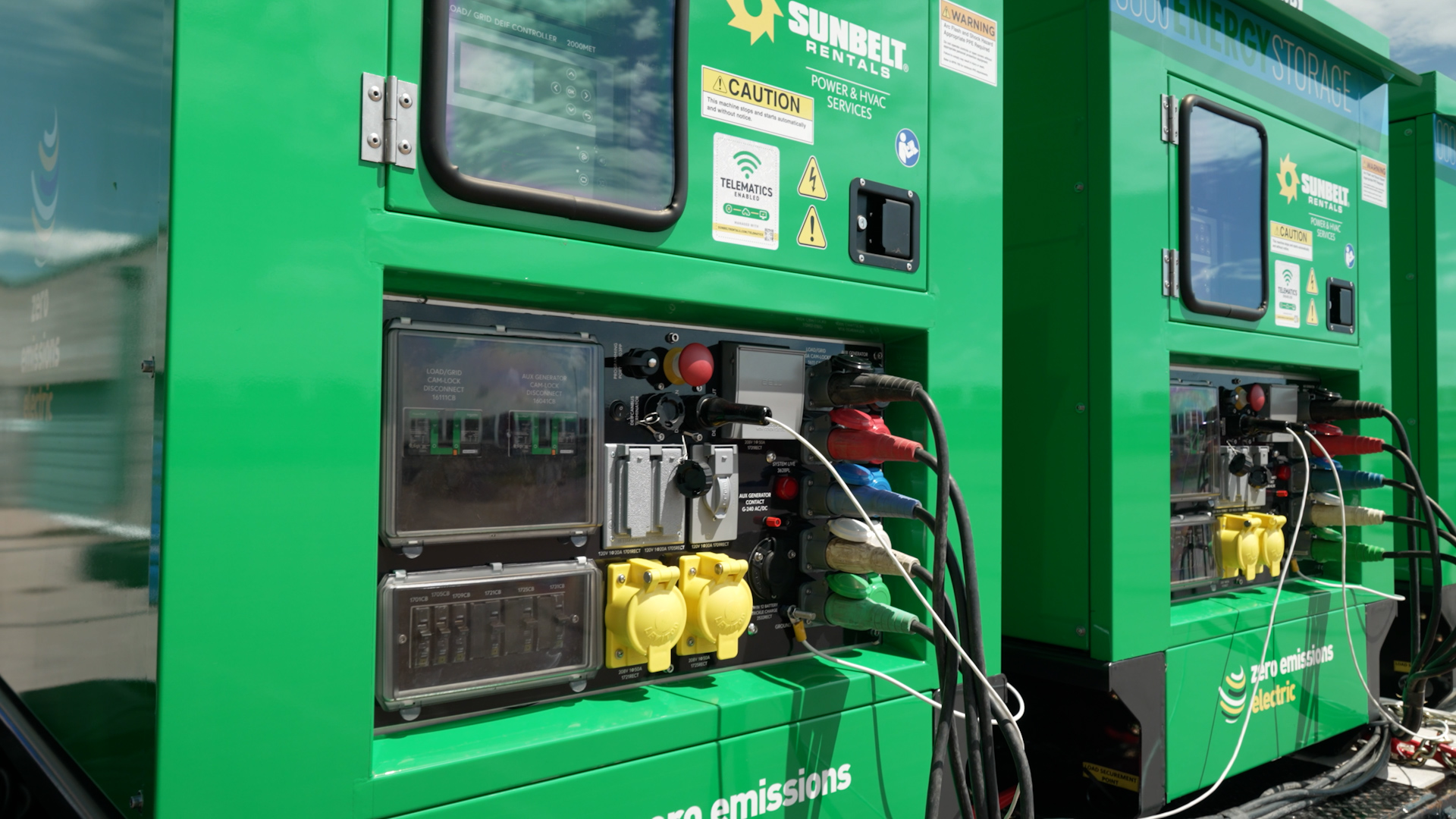
Sunbelt Rentals believes electrification strengthens the rental model. Credit: Sunbelt Rentals
He continues, “[And they won’t have] the capital risk or long-term infrastructure commitments
tied to ownership. That flexibility is critical as electric equipment and market demand continues
to mature.”
To prepare for the coming months and years, Sunbelt Rentals also has a “solution-led” strategy rather than a “technology-led” strategy, according to Coverdale. For instance, it’s focused on expanding its electric equipment rental offerings in whichever ways provide customers “real value”.
At the same time, Sunbelt Rentals is investing in offerings like battery energy storage systems (BESS), charging infrastructure, energy management as a service (EMaaS) and hybrid power solutions. While providing these options, the rental firm is focused on ensuring each one is right-sized, according to what a customer’s specific job site actually requires.
“This approach allows customers to reduce emissions and fuel use without compromising uptime or productivity,” Coverdale adds.
From urban to mainstream
In preparation for what’s to come, Coverdale predicts that battery-electric machines will no longer be known as urban and indoor solutions only. Instead, they’ll expand into the mainstream steadily, albeit at a slower pace than some expected. The pace will be “realistic”, according to Coverdale, as battery technology will continuously improve and energy solutions’ flexibility will rise.
“Construction environments vary widely [though], and many applications still demand high
power, long run times or remote operation,” Coverdale said. “That’s why we see the near-term
future as a mix of electric, hybrid and low-emission solutions, rather than a single technology replacing everything.”
Bredborg agrees, adding that battery-electric machines will be scaled into mainstream fleets wherever duty cycles are predictable. Furthermore, this scalability will likely be noticed on job sites that have reliable energy and charging capacity.
“The limiting factors are less the drivetrain and more energy logistics (grid connection, charger power and charging windows), [along with] battery thermal/ageing performance under high peak loads and harsh conditions,” Bredborg said. “As charging ecosystems mature and battery/thermal technology improves, the viable segments expand beyond urban use.”
Practical fleets for contractors
When it comes to the future, Volvo CE has a primary goal: to ensure electric fleets are more “practical” for contractors. With this goal in mind, the OEM has numerous charging solutions and mobile power units that job sites can use, regardless of how much grid capacity they have.
“We see the near-term future as a mix of electric, hybrid and low-emission solutions, rather than a single technology replacing everything.”
Brad Coverdale, vice-president, fleet and procurement, Sunbelt Rentals
“Increasingly, the industry is also exploring mobile charging services where charging units are brought directly to machines on site,” Bredborg said. “These types of solutions allow electric equipment to operate throughout the working day without needing fixed charging infrastructure, helping contractors maintain productivity levels similar to diesel machines.”
Digitally, Volvo CE has an array of telematics platforms too, including CareTrack and My Equipment. Through these platforms, fleet managers can monitor their machines’ battery levels, energy usage and operating patterns in real time. Of equal importance, managers can oversee mixed fleets more effectively as well.
“Together, charging infrastructure, telematics and service models form the ecosystem that enables electric machines to move from pilot projects into full-scale operations,” Bredborg adds.
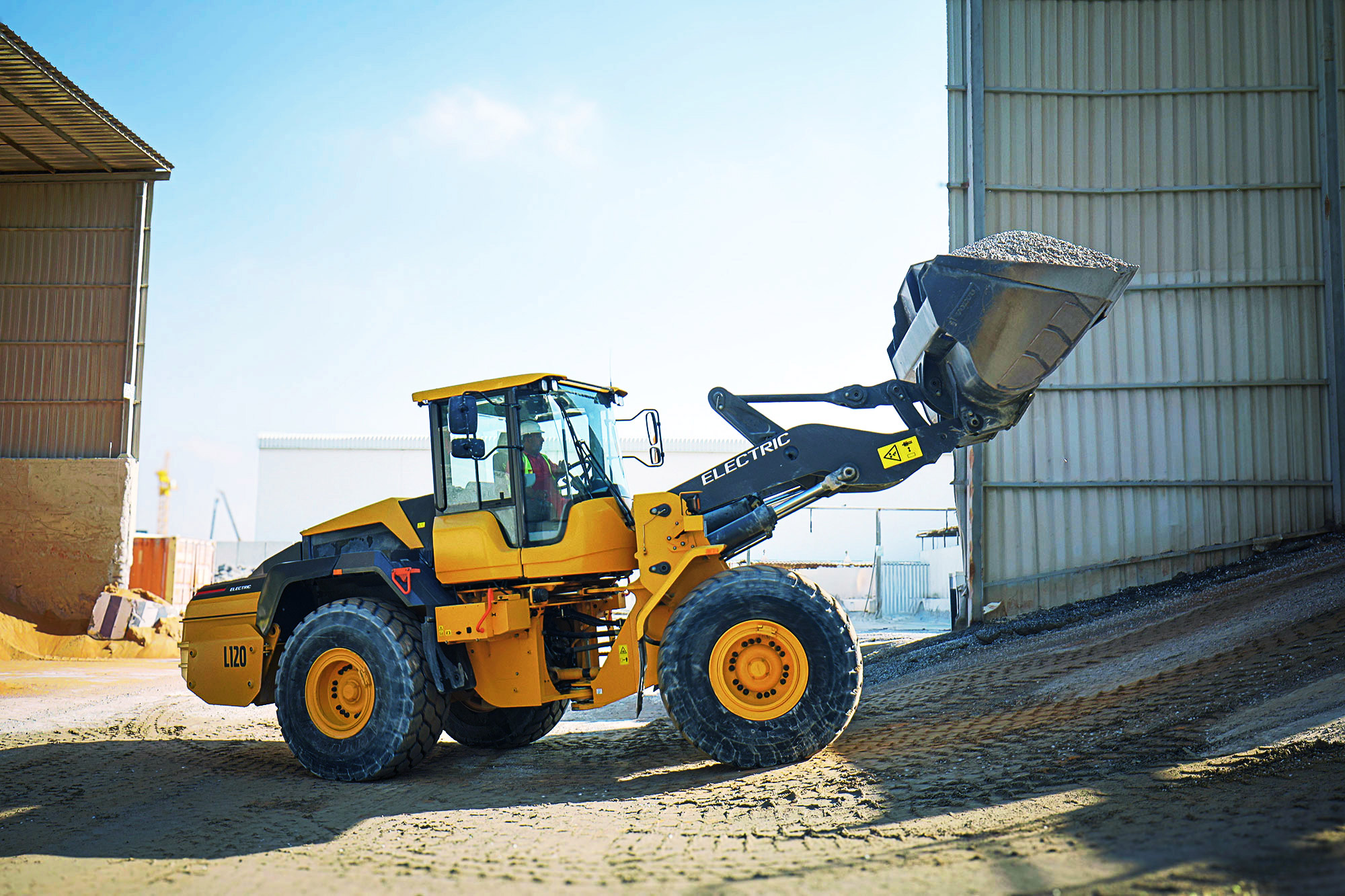
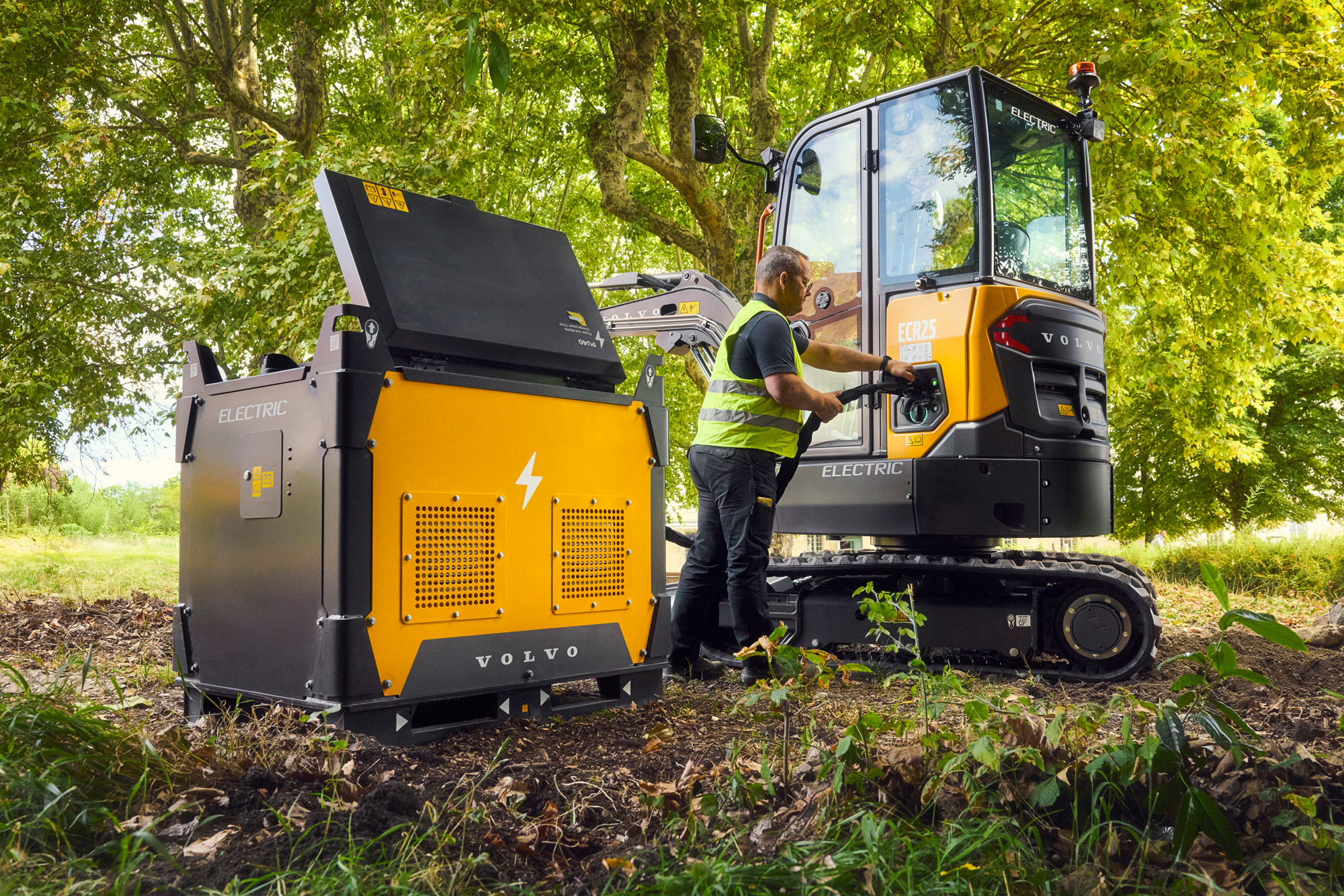
The Electric Midsize Wheel Loader. Credit: Volvo Construction Equipment
Aside from equipment, Sunbelt Rentals has several offerings that support electrification too, such as advanced telematics, BESS, EMaaS, hybrid generators, and temporary EV and equipment charging solutions, including Level 2 and DC fast charging.
“The goal is to provide customers with a range of options to meet their needs,” Coverdale says. “[Sunbelt Rentals also wants] to remove practical barriers so customers can adopt electric equipment where it makes sense – without compromising uptime or productivity.”
Looking ahead
In addition, Coverdale believes that – although electrification will remain a significant focus for rental firms – hybridisation and fuel efficiency will be emphasized in the interim as well.
“This is currently being led by smaller equipment categories (under 50hp) and BESS, with broader adoption likely to follow as infrastructure and technology mature,” Coverdale says. “Rental [firms] will continue to play a critical role by de-risking new technology adoption for customers.”
Finally, as the transition to electrification continues slowly yet surely, patience will be key, according to Bredborg.
“It’s a big societal transition and requires all players in the value chain to contribute,” he explains. “To scale up, there needs to be a growing demand.”
As demand increases, Volvo CE’s investment in electric equipment will likely continue.
However, Bredborg has a simple conclusion: “The speed of adoption needs to be accelerated.”

