Regional focus
Under the cloud of conflict: The Middle East's next mega‑cycle
The Middle East’s construction cycle is entering a new phase as geopolitical uncertainty reshapes priorities around security, logistics, resilience and investor confidence. Jim Banks reports.
Main video credit: BlackBoxGuild/Shutterstock.com
Powered by

The Line, originally presented as a zero-carbon, car-free linear city with a mirrored facade, has been sharply scaled back, with Saudi Arabia no longer planning to complete the original 170km scheme by 2030. It is part of the NEOM megaproject in Tabuk Province, officially cited at 26,500km².
NEOM, originally announced as a $500bn development and backed by the Saudi Public Investment Fund (PIF), encompasses Oxagon, an advanced industrial district on the Red Sea, the Trojena mountain resort and Sindalah island resort, though the wider programme is being reprioritised and The Line has been sharply scaled back. NEOM is a cornerstone of the country's Vision 2030 initiative, which is aimed at sustainable living, attracting global talent and diversifying the economy away from oil.
Then there is Qiddiya City near Riyadh, intended to be the world's first city built for play; Diriyah Gate, a $63.2bn historical, cultural and lifestyle megaproject; and the Red Sea Project, designed for luxury and regenerative tourism. The King Fahad Sports City Stadium in Riyadh is undergoing a major renovation to create a state-of-the-art venue for the 2034 Fifa World Cup.
However, just as The Line is emblematic of the region’s grander vision, it is also a barometer for the changing environment in which this construction boom is taking place, as you will have seen in our megaproject update in this issue.
“We can debate when the scaling back began, but for me it was at the tail end of 2023 when the Kingdom realised it could not afford all of the projects it was investing in,” says Colin Foreman of business intelligence analysts Middle East Economic Digest (MEED). “That did not feed in until the start of 2025, and when the new PIF strategy was announced earlier this year, a lot of spending was cut back.”
When the PIF board approved its new 2026–30 strategy in April, it notably shifted its focus from rapid, capital-heavy expansion towards financial returns, investment efficiency and increased private-sector participation. Civil engineering dominates, accounting for 45% of total activity over the five years to 2029, followed by residential building (28%) and non-residential building (27%).
“Over the longer term, demographic growth and rising urbanisation continue to underpin residential demand,” says Dr Nicholas Fearnley, head of global construction forecasting at Oxford Economics. “Vision 2030 remains the primary driver, with giga-projects designed to grow tourism, entertainment and logistics as alternatives to oil revenues. However, priorities are shifting, investment is increasingly being directed towards projects capable of generating near-term returns.”
Shifting sands
Saudi Arabia is certainly not the only hub of the construction boom. The UAE is equally committed to its own megaprojects. Dubai and Abu Dhabi are undergoing massive transformations with multibillion-dollar infrastructure, transit and real estate projects. These include the Al Maktoum International Airport expansion, the Dubai Metro Blue Line and inter-emirate high-speed rail, alongside cultural and entertainment projects such as the Guggenheim Abu Dhabi, due to open in December 2026, and the $1.7bn Sphere Abu Dhabi on Yas Island, where construction is expected to be completed by the end of 2029.
A key enabler of the Dubai Economic Agenda D33, the Al Maktoum expansion is intended to create the world's largest aviation hub, ultimately capable of handling 260 million passengers annually. Among the cross-emirate infrastructure projects, Etihad Rail is creating a nationwide freight and passenger rail network linking Abu Dhabi, Dubai and the Northern Emirates, highlighting the drive to improve regional transit and logistics.
Yet both Saudi Arabia and the Emirates are inevitably reacting to changing economic and geopolitical conditions. Unpredictable US policy on tariffs and international trade, and the prolonged regional conflict centred on Iran, are having a seismic impact, not least on input costs. For example, rebar prices rose by around 6% from Q4 2025 to Q1 2026, copper rose by 14% and aluminium by 21% in the same period. The World Bank’s April 2026 update puts GCC growth at 4.4% in 2025 and projects a slowdown to 1.3% in 2026, a sharp downgrade from its earlier 2026 forecast because of conflict-related disruption.
Oil revenues are clearly behind much of the strategic investment in construction, so the long-term outlook for oil revenue is crucial, but it is hard to get a clear picture in such unpredictable times.
“The Iran conflict has disrupted Strait of Hormuz supply chains, dampened investor confidence and weighed on near-term project delivery,” says Fearnley.
“Supply chain disruption and weaker business sentiment affect the near-term outlook,” he adds. “We expect sentiment will recover gradually from Q3 2026 as conditions normalise, but this assumes we have a ceasefire agreement that holds.”
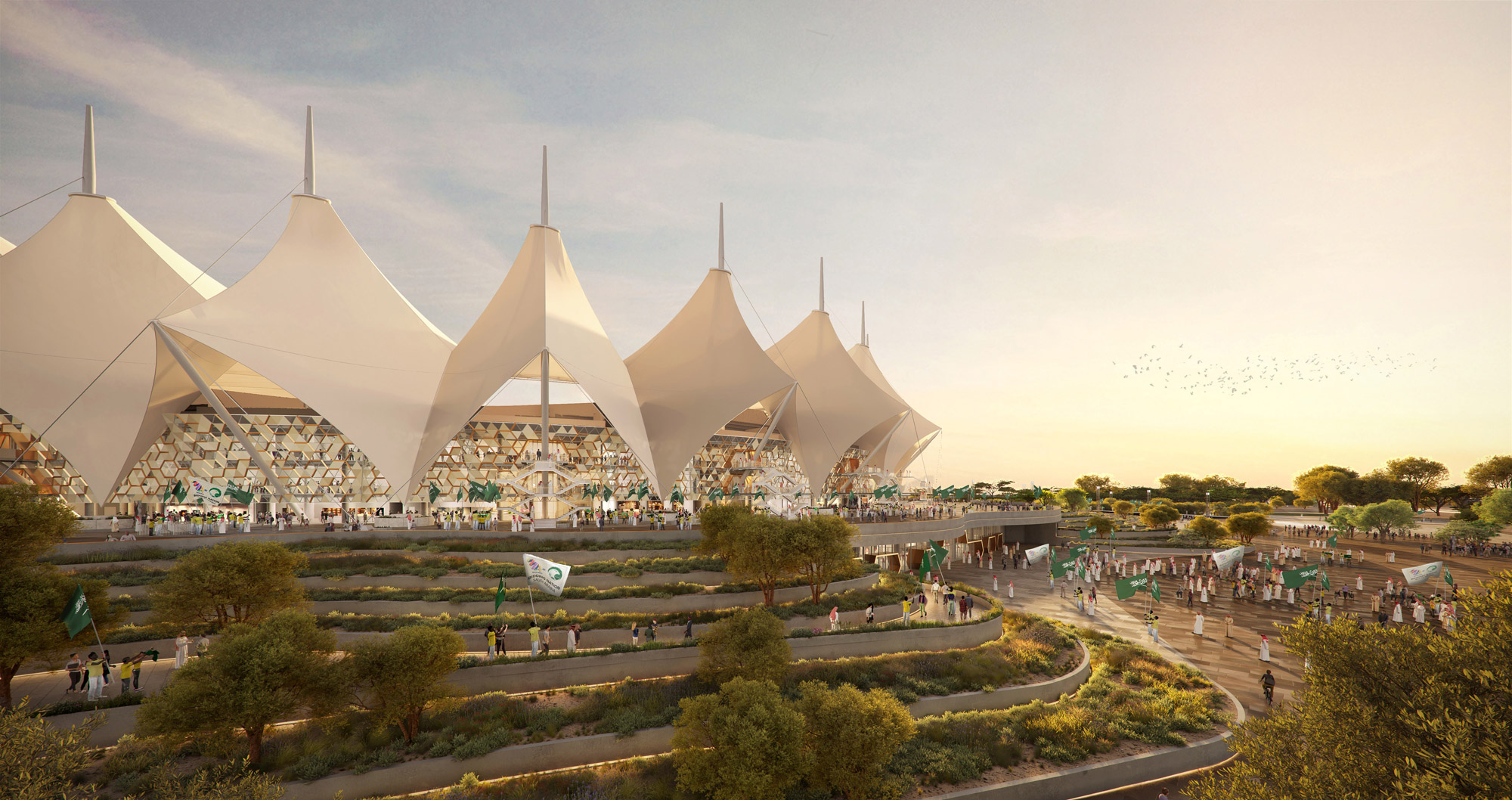
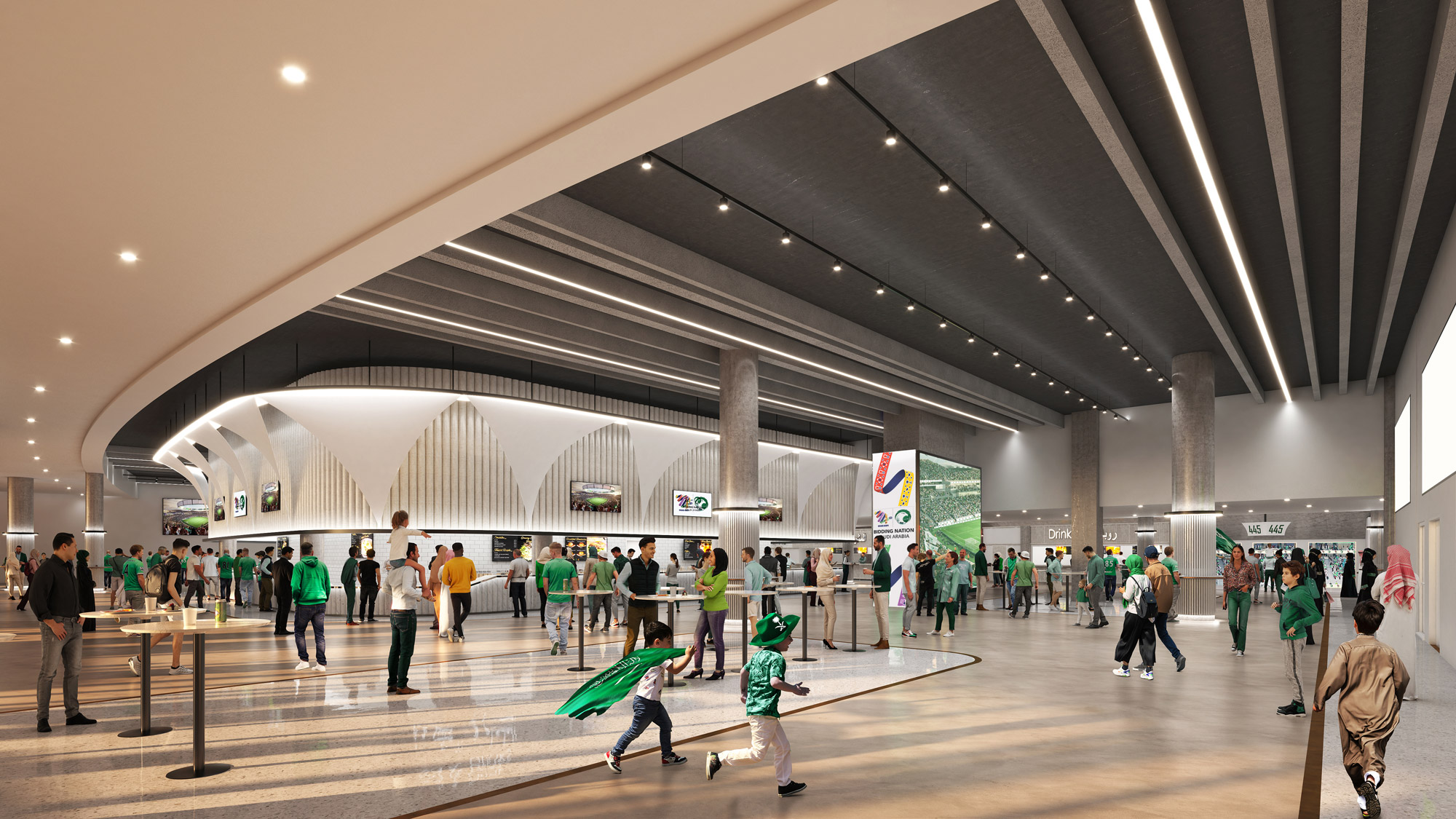
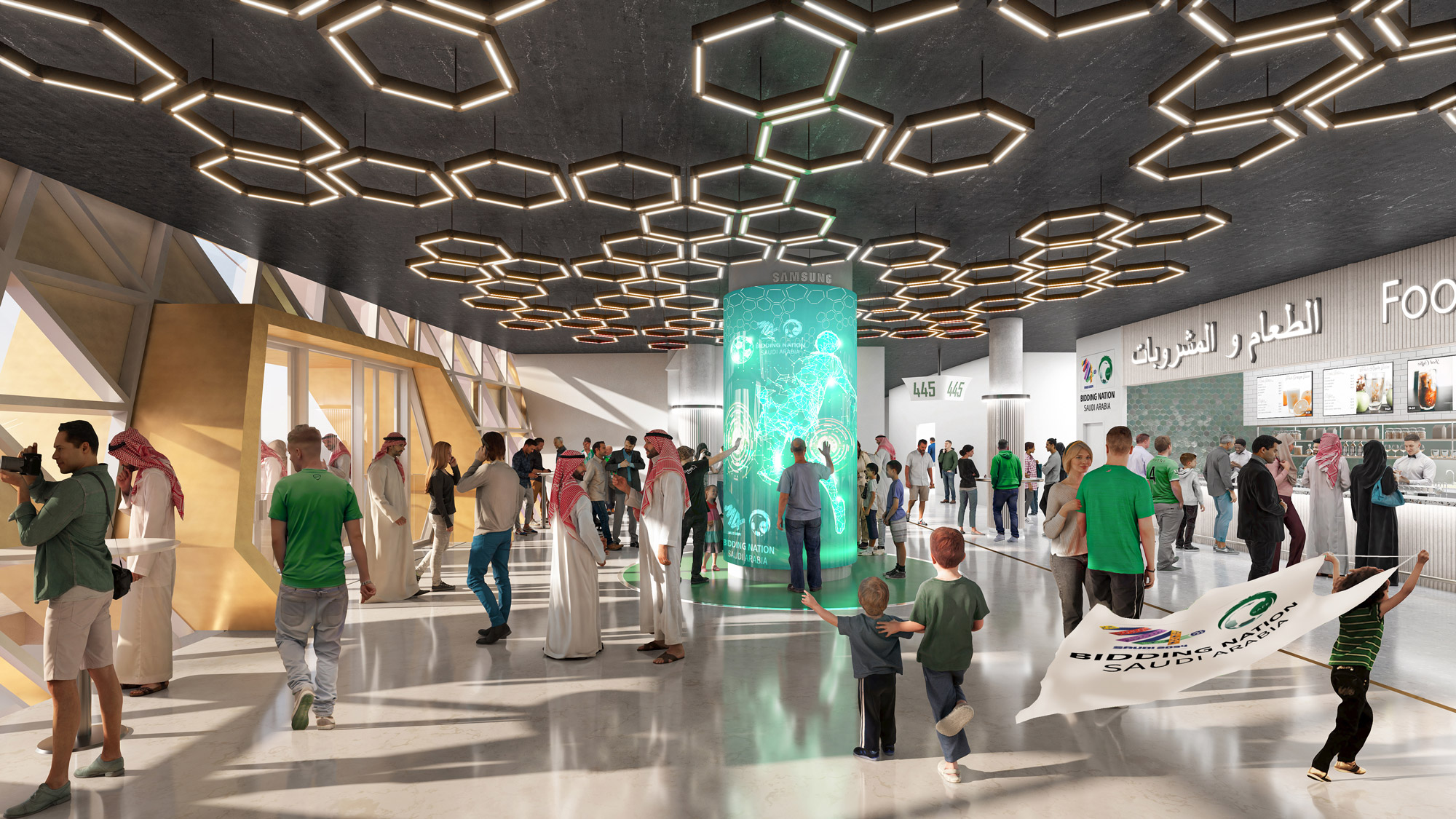
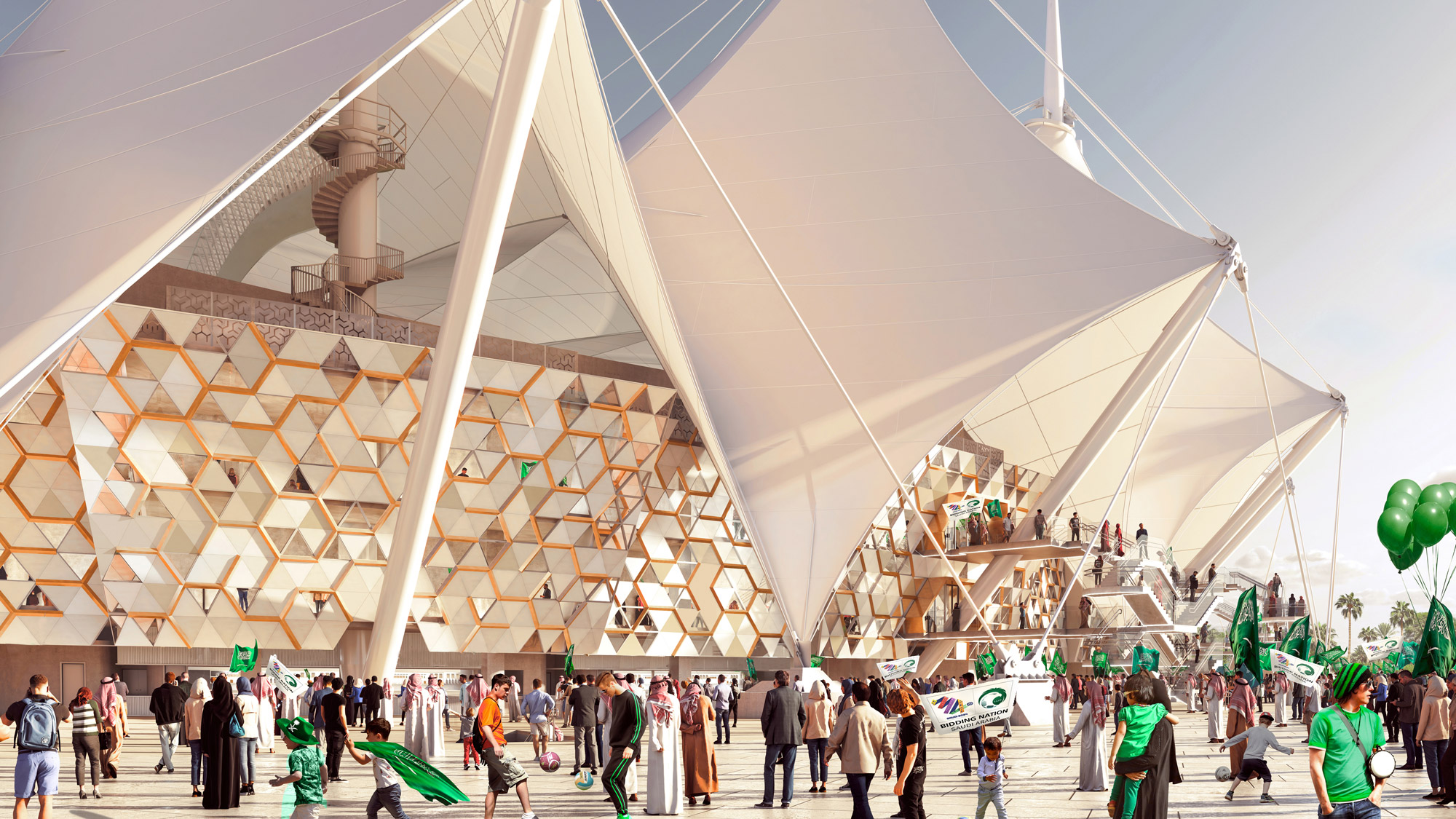
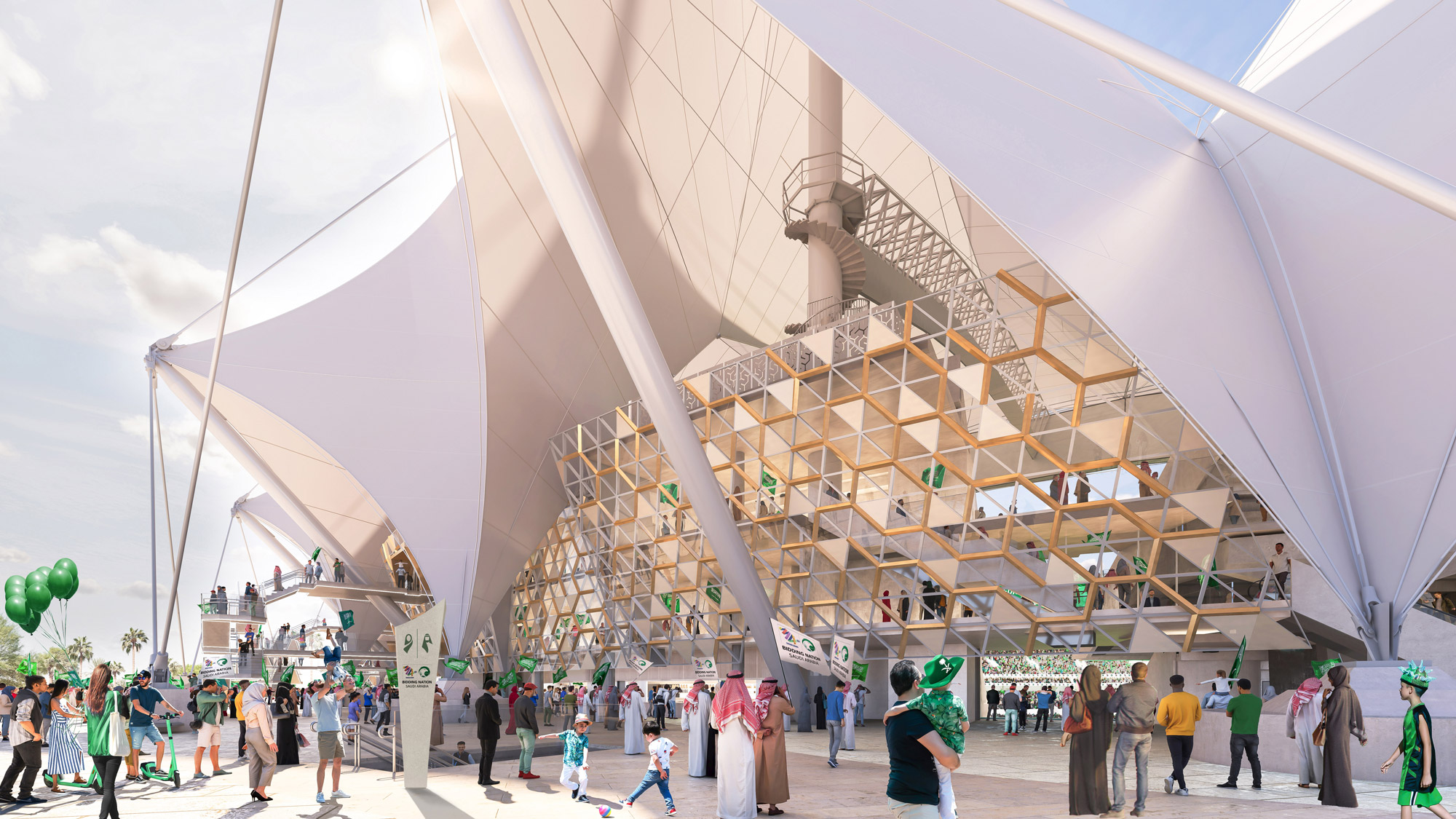
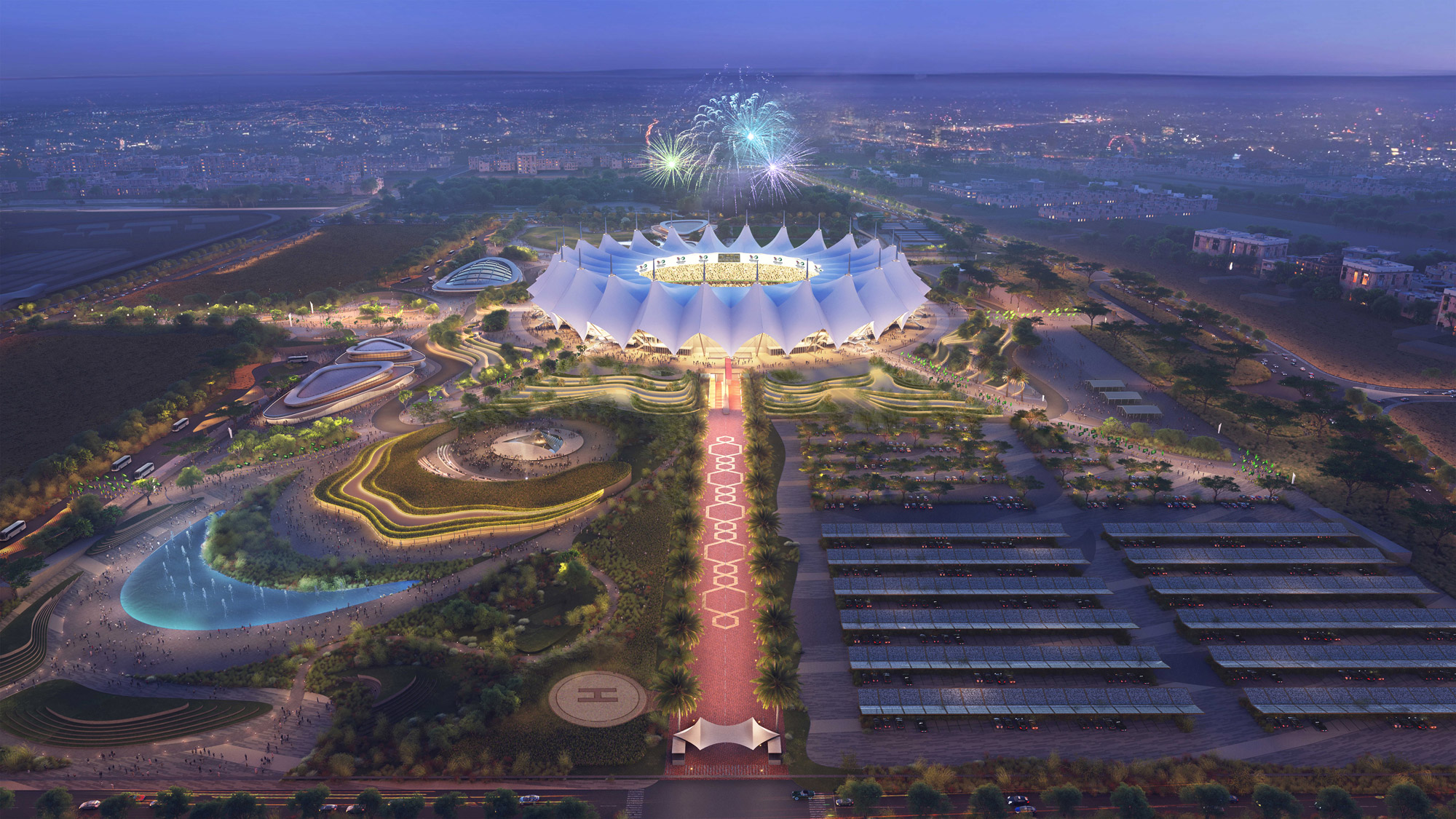
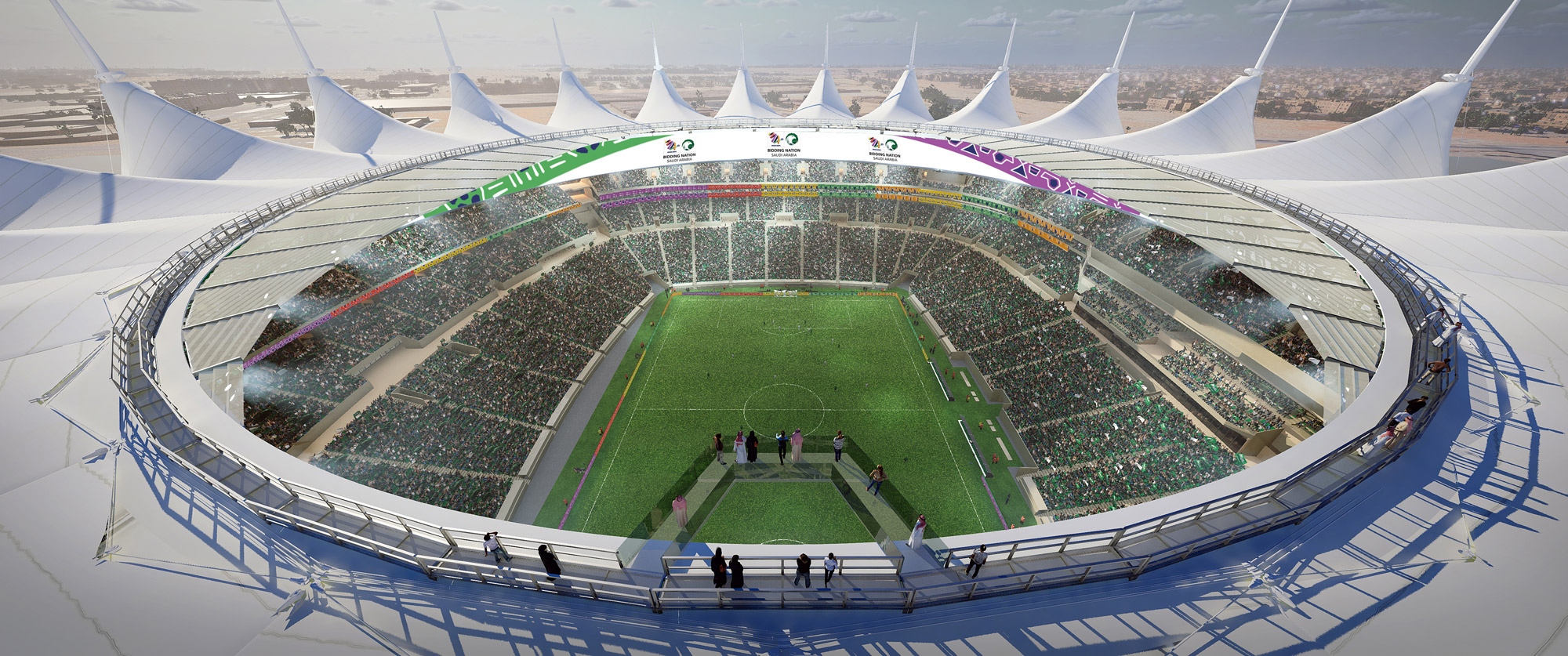
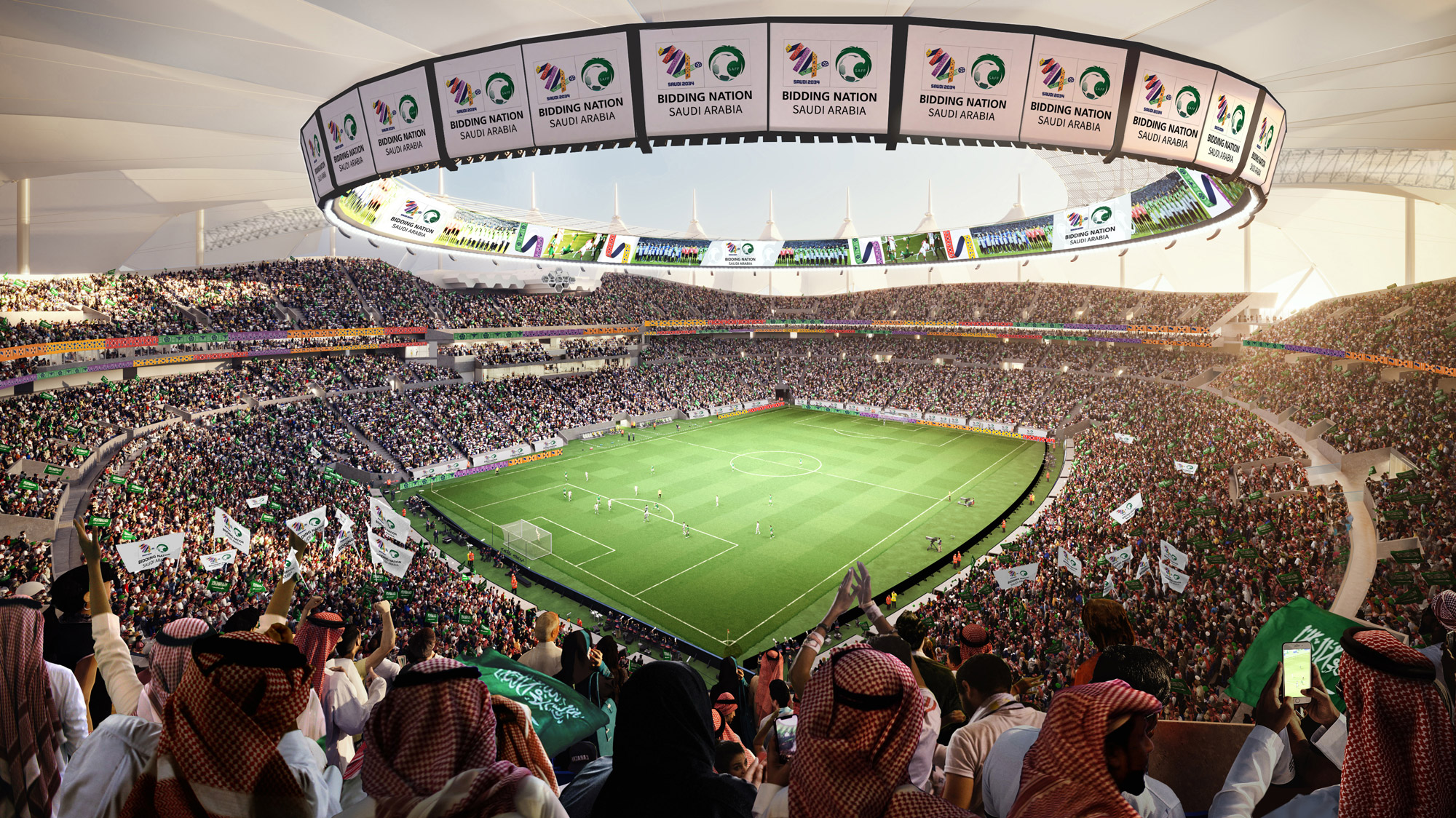
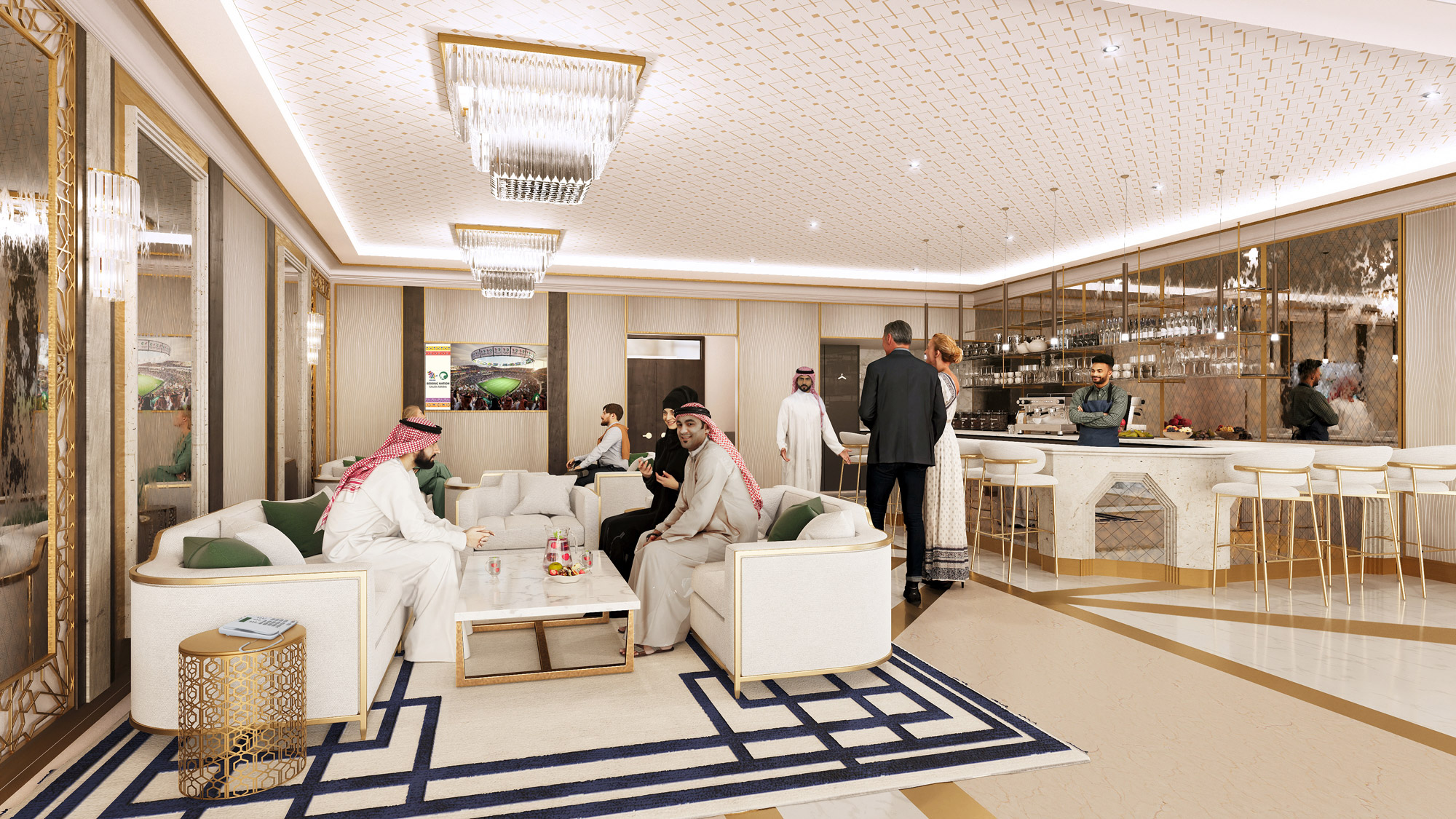
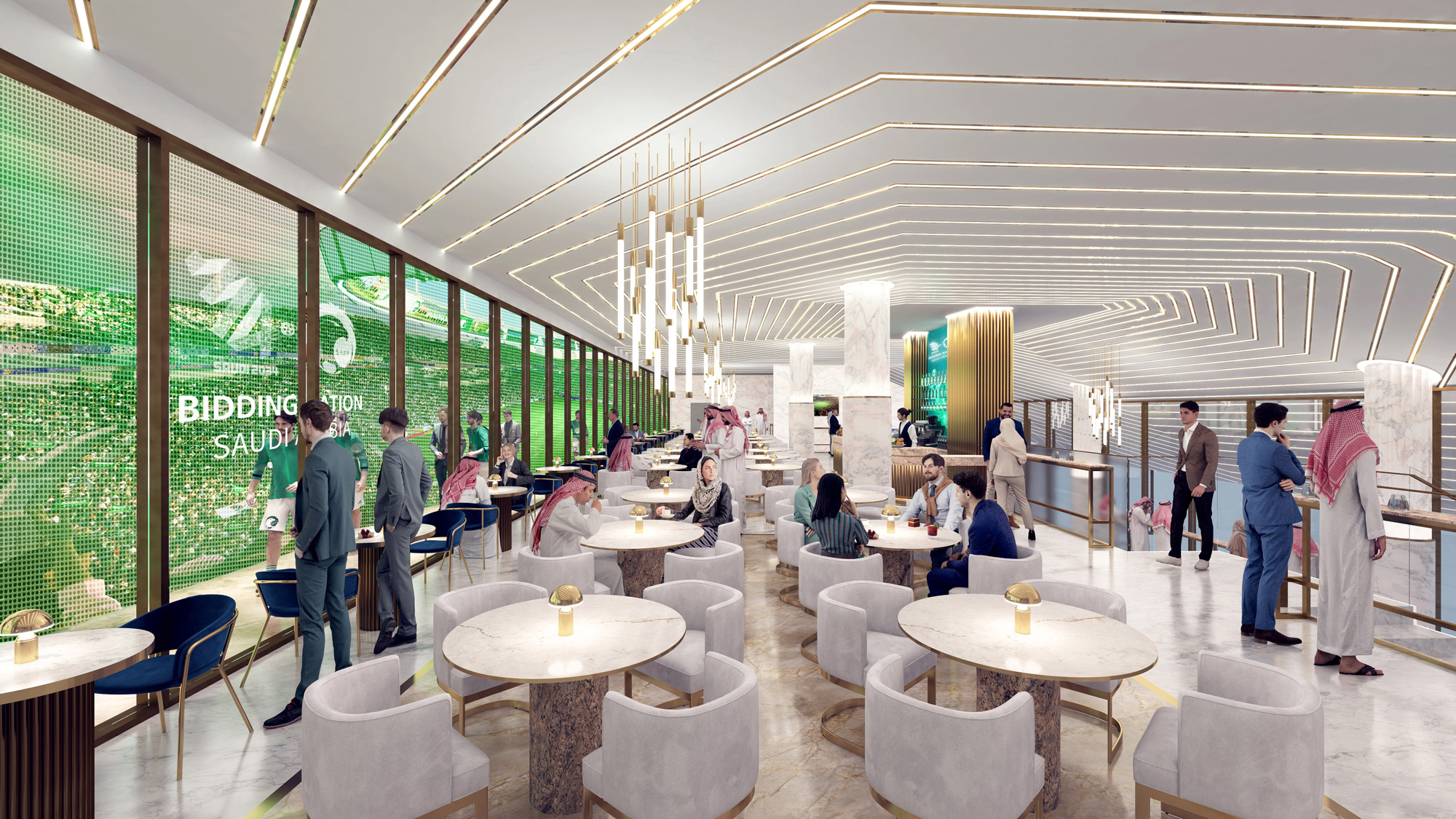
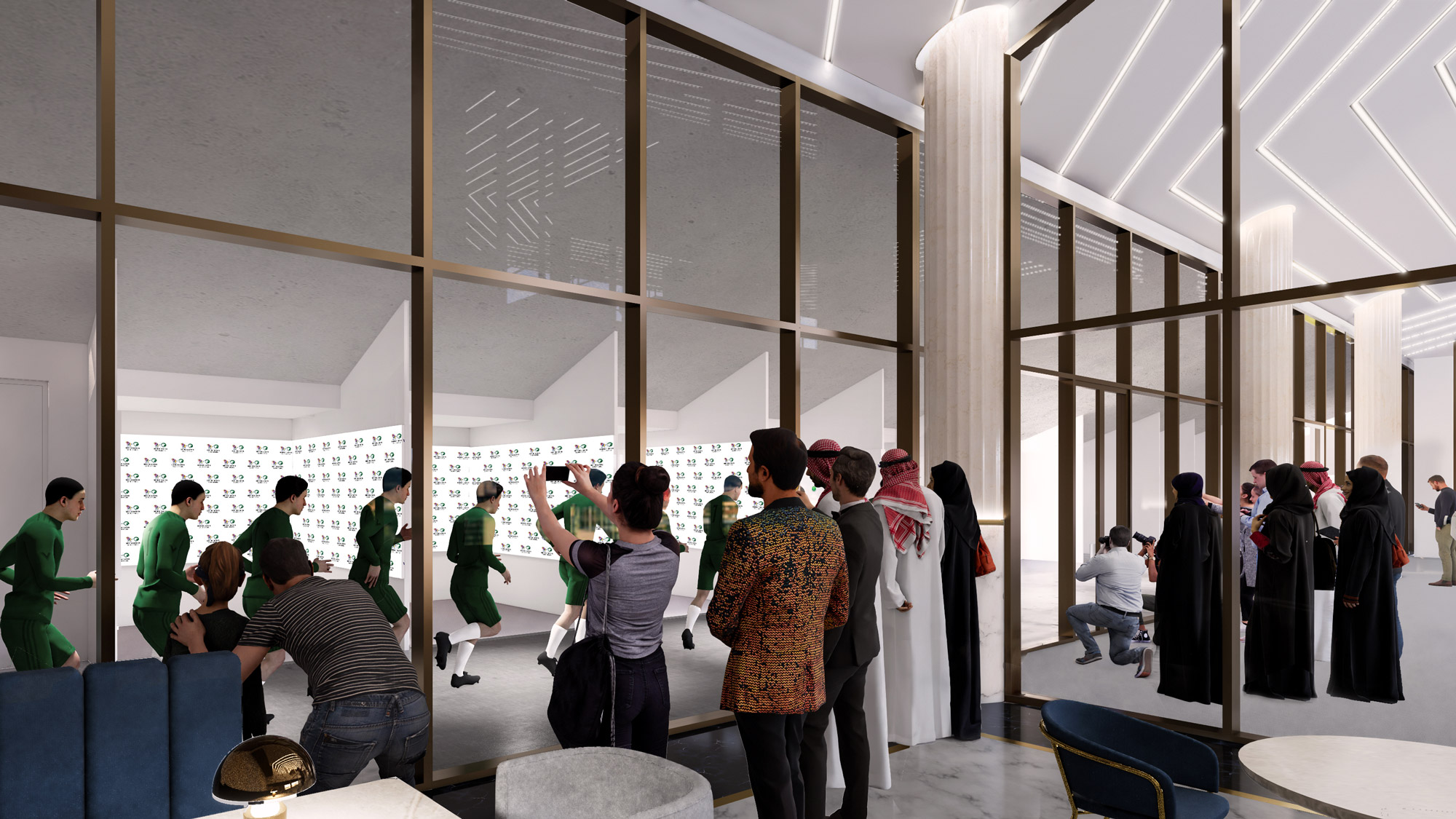
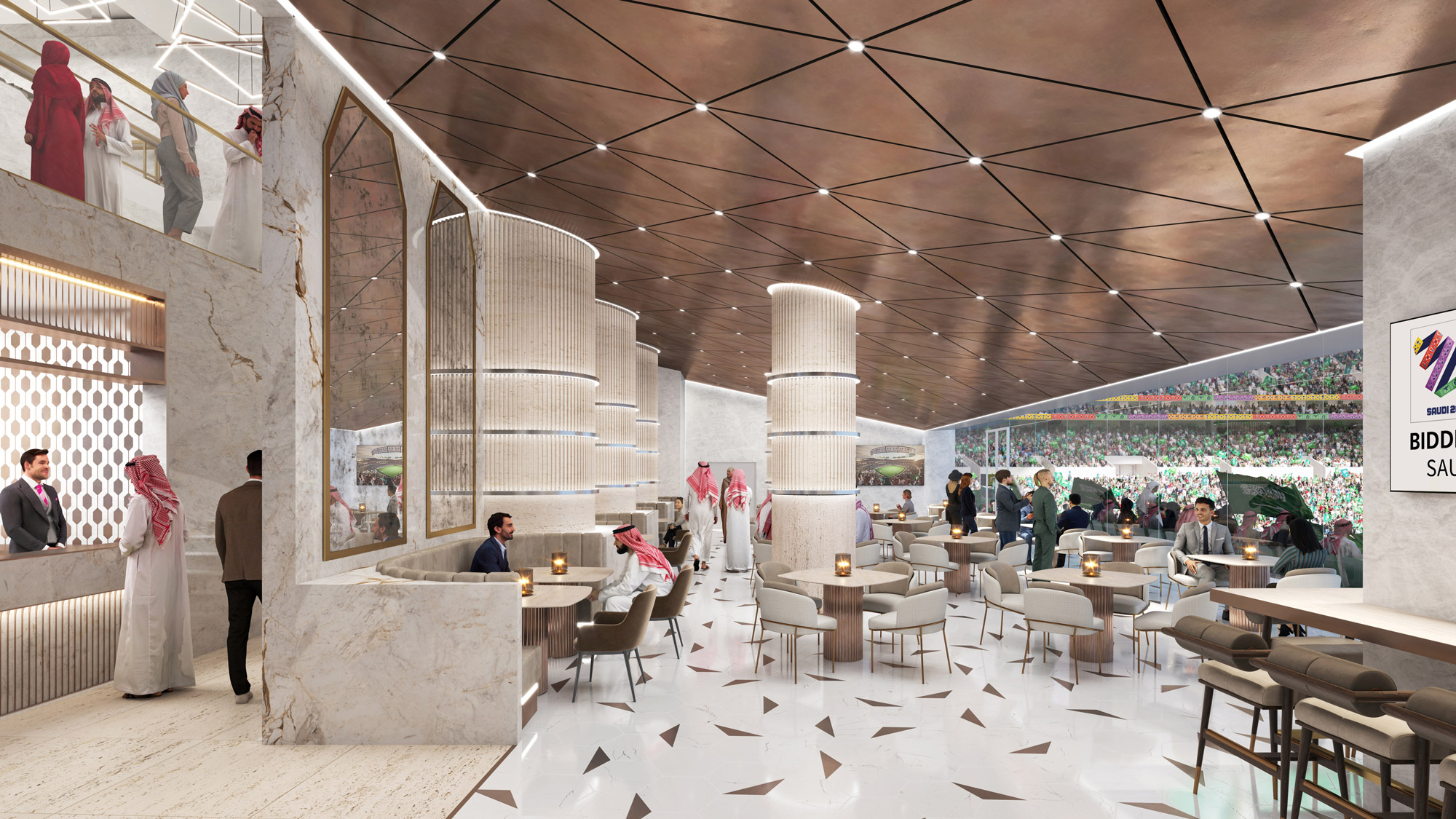
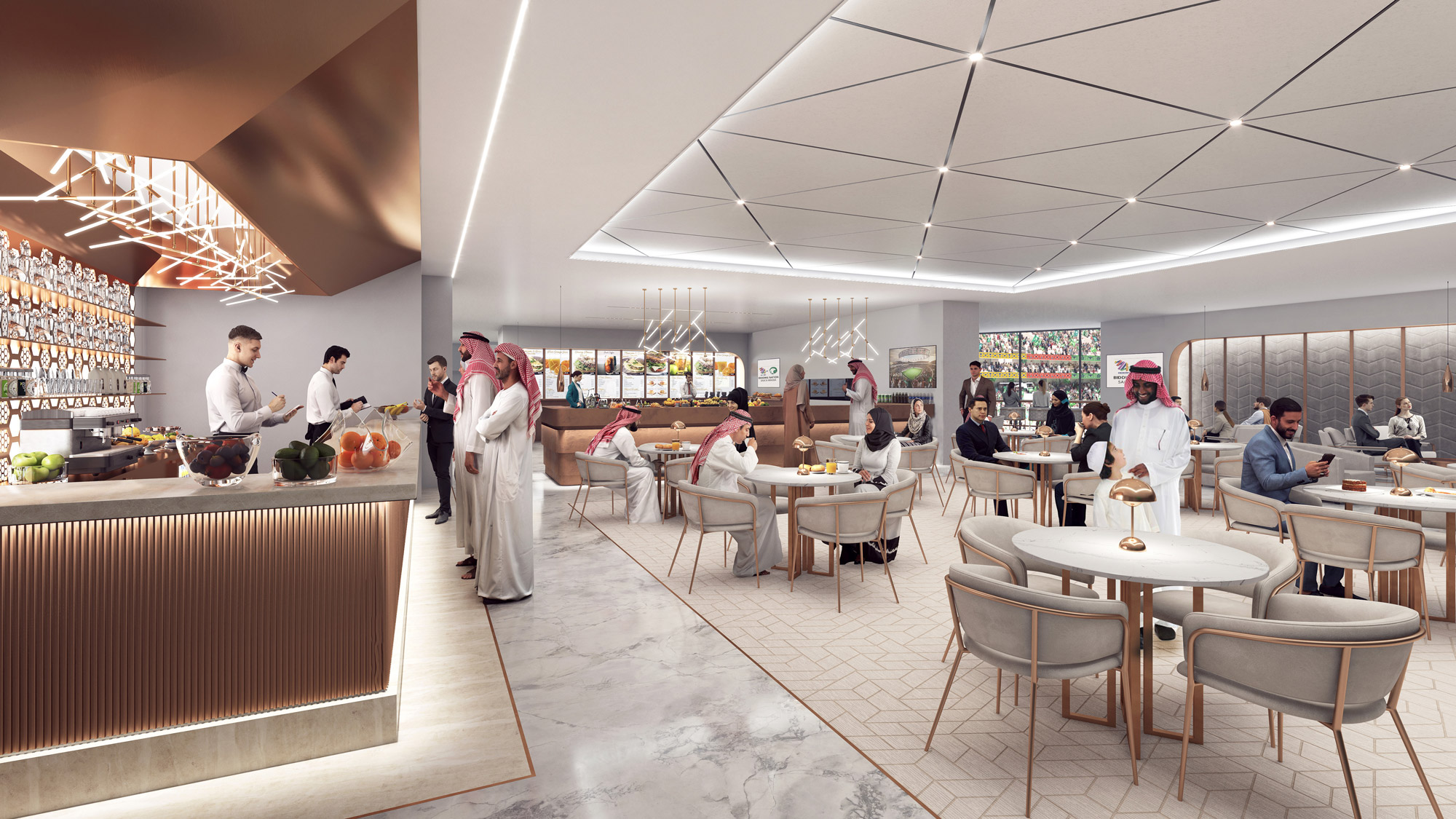
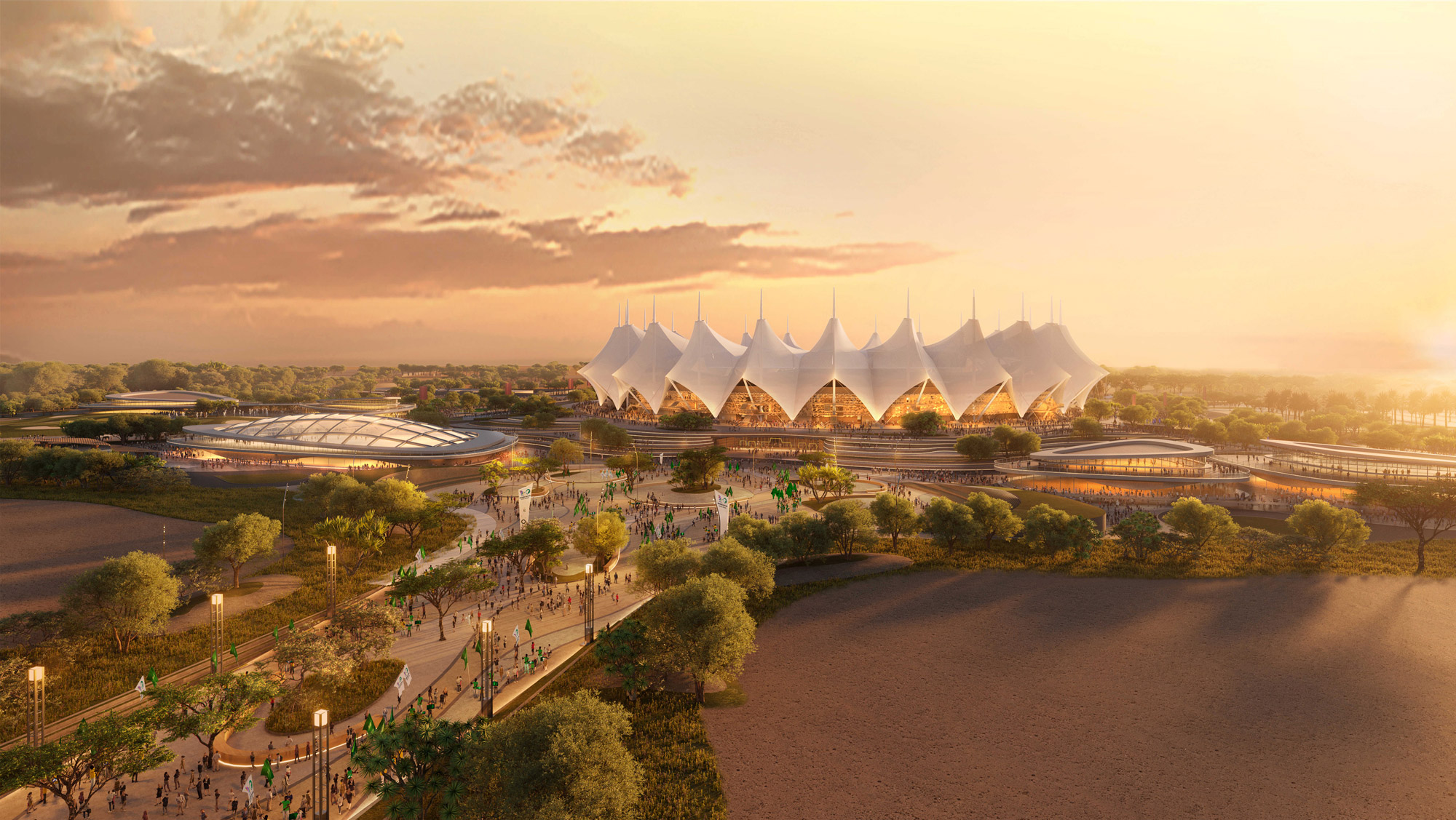
Populous King Fahad Sports City Stadium. Credit: ING Media

The most significant impact of the conflict appears to be on project selection rather than overall spending levels. The war has exposed vulnerabilities in regional supply chains, energy exports and maritime routes, particularly around the Strait of Hormuz. Governments and state-backed developers are responding by prioritising infrastructure that will build future resilience and diversify the economy.
Energy security infrastructure, notably additional storage capacity, pipeline diversification and expanded export routes that reduce dependence on Hormuz, will be crucial. For example, the Abu Dhabi National Oil Company (ADNOC) is accelerating its West-East Pipeline project, which is intended to double its crude oil export capacity through Fujairah and become operational in 2027.
Industrial localisation is another strong trend. The focus is on expanding manufacturing zones, producing strategic materials and shoring up domestic supply chains. This aligns well with broader regional efforts to reduce dependence on imported goods and create industrial employment. Logistics resilience through the development of ports, rail corridors and inland freight networks is now higher on the agenda. Geopolitical uncertainty is only fuelling the region’s ambitions to become a global logistics hub.
Furthermore, in February 2026, Saudi Investment Minister Khalid Al-Falih said changing global conditions and new national priorities were reshaping investment plans. Expo 2030 Riyadh and the 2034 Fifa World Cup are now among the Kingdom’s priorities, alongside accelerated investment in AI, advanced technology and associated infrastructure.
“The scale and complexity have become more grounded in reality for nice-to-have assets like the National Tennis Centre in Qiddiya, and infrastructure is getting more focus now,” says Foreman. “Social infrastructure commitments like housing are important, too. The conflict changes every day, but sometimes it seems to be pushed into the past. UAE and KSA have announced projects moving ahead, suggesting the region is coming out on the front foot to make the most of opportunities for the construction industry.”
Reassessing risk
The funding landscape is evolving across the region, which is increasingly opening its doors to international investors. Strong private foreign capital flows are pouring into hyperscalers developing data centres and digital infrastructure. In January 2026, Saudi Arabia’s new foreign real estate ownership law came into force, broadening access for non-Saudi buyers under specified controls. In June, the Cabinet approved the executive regulations and geographical areas for non-Saudi ownership, though meaningful foreign participation remains at an early stage.
For foreign investors, as well as the overseas contractors and international project companies so heavily involved in the construction mega-cycle, risk management is a hot topic. While regional conflict has not triggered a wholesale withdrawal of capital, it has forced stakeholders to rethink delivery models.
For example, contractors are planning their supply chains more rigorously, increasing inventory buffers, diversifying suppliers and seeking alternatives to single-route logistics strategies. There is greater emphasis on contract protection, too, with force majeure provisions, political risk clauses and escalation mechanisms now featuring more prominently. Construction consultants report that conflict-related increases in fuel, freight and materials costs are still manageable, but are forcing a renewed focus on cost volatility.
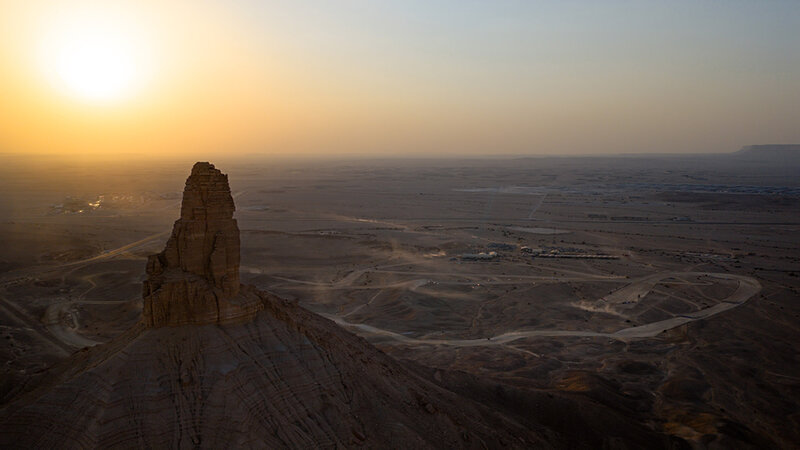
Qiddiya City will host the FIA Extreme H World Cup in October 2026. Credit: Qiddiya Investment Company
Investors remain interested in regional opportunities, but increasingly want to see evidence of resilience, strategic importance and realistic delivery schedules as they focus on risk-adjusted financing.
“Governments, developers and contractors are managing risk through phased project delivery, deferral of non-critical works, localisation of supply chains, and workforce development programmes,” says Fearnley.
“There has been a change in how investors and contractors are involved,” Foreman observes. “Many international contractors and suppliers had left the market between 2015 and 2020, partly due to the collapse in oil prices in 2014, but there has been a charm offensive to bring them back with a reasonable amount of success. The amount of work coming forward is not at the same scale as before the PIF reprioritisation, but contract conditions have improved. There has been substantive change, but this is still a work in progress.”
The Middle East’s next construction mega-cycle is unlikely to be derailed by regional conflict, given the scale of government-backed investment, economic diversification agendas and strategic infrastructure requirements. However, the conflict centred on Iran is accelerating a shift in priorities. Future investment is increasingly focused not only on growth but also on resilience, creating infrastructure that can withstand geopolitical disruption, secure supply chains and protect economic competitiveness.
The conflict is not ending the region’s construction boom, but it is certainly reshaping it.

